

Three years, three titles, and a team that refused to quit. San Francisco’s Joseph Mary Plunketts showed the best of the GAA in the Arizona desert.
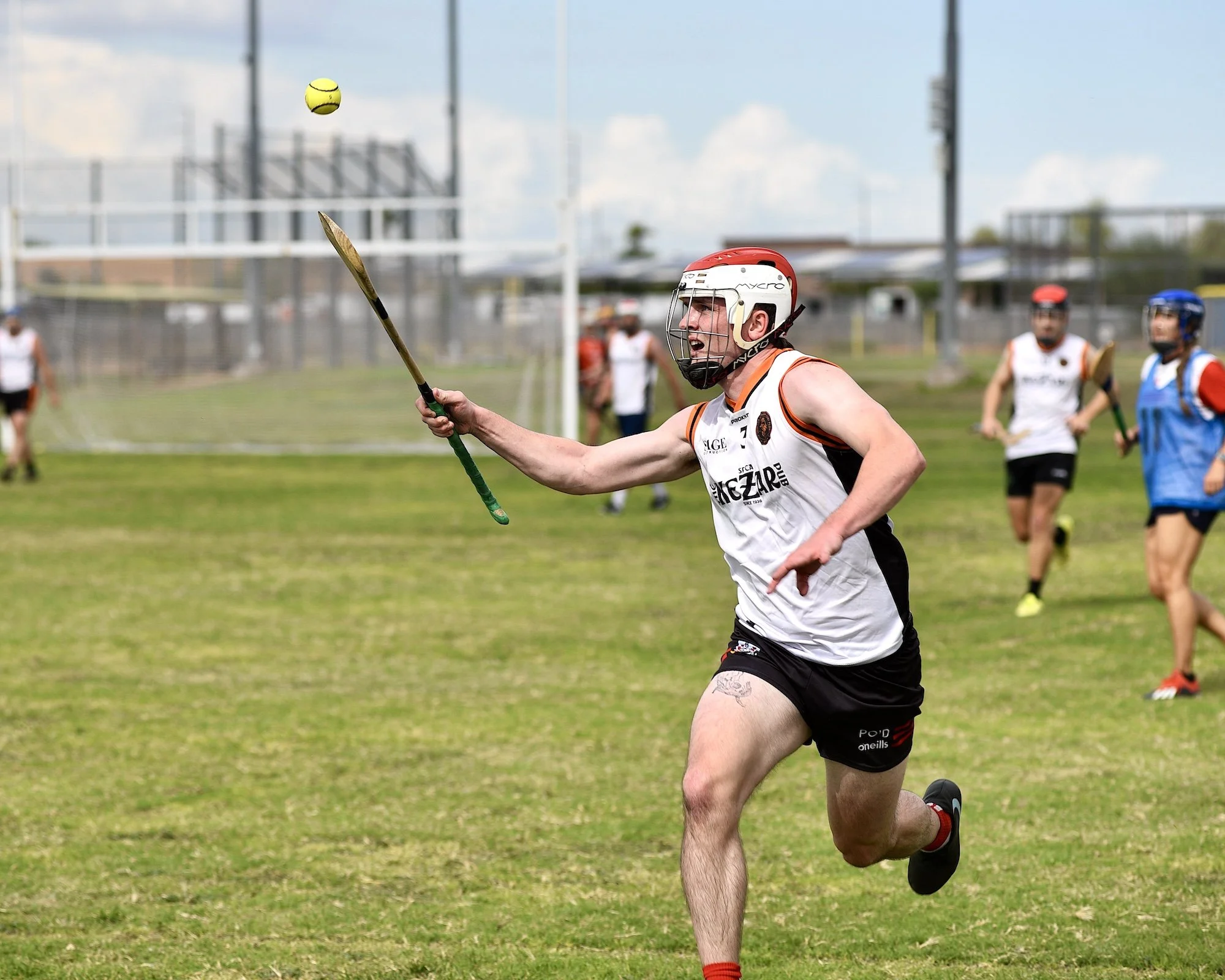
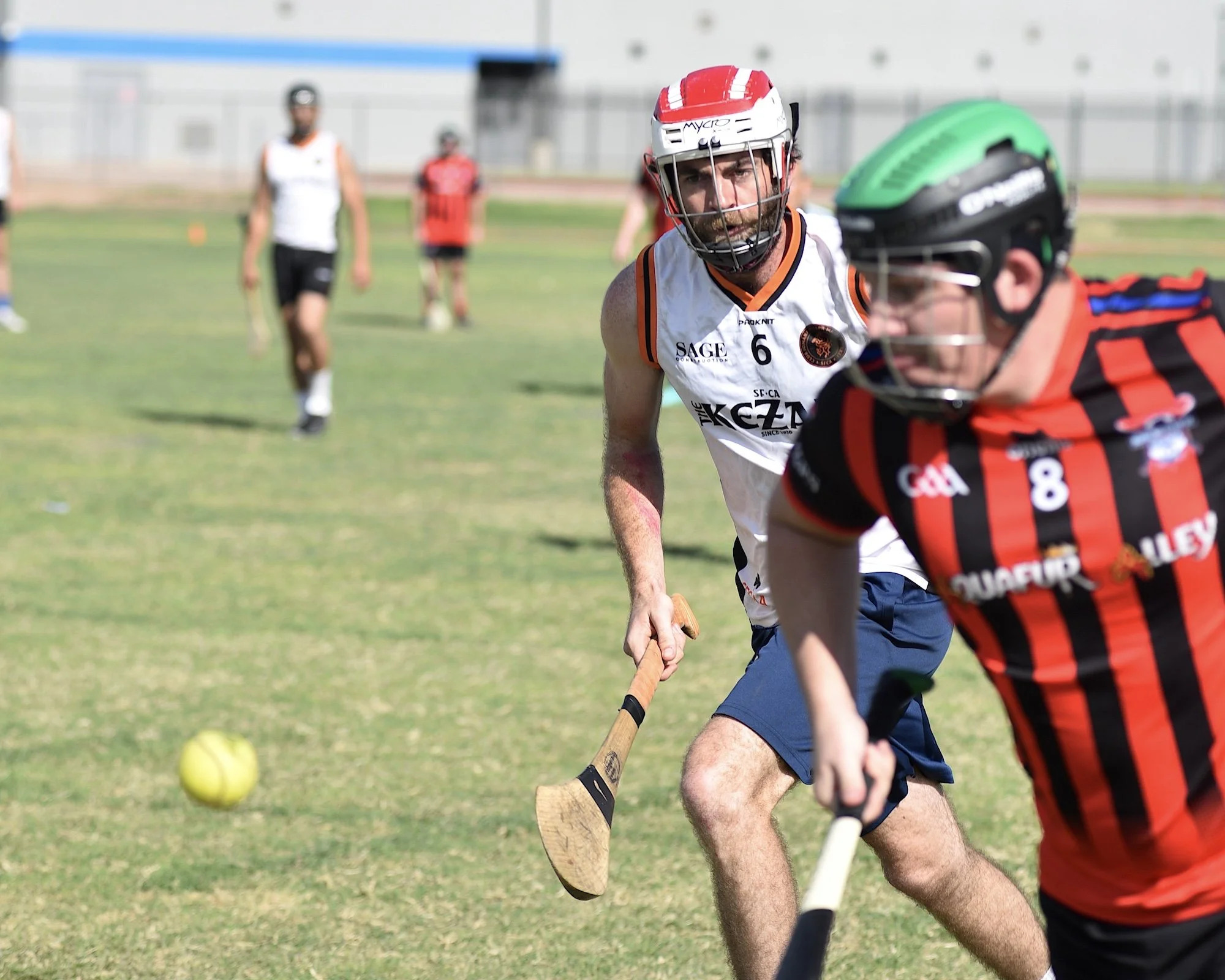
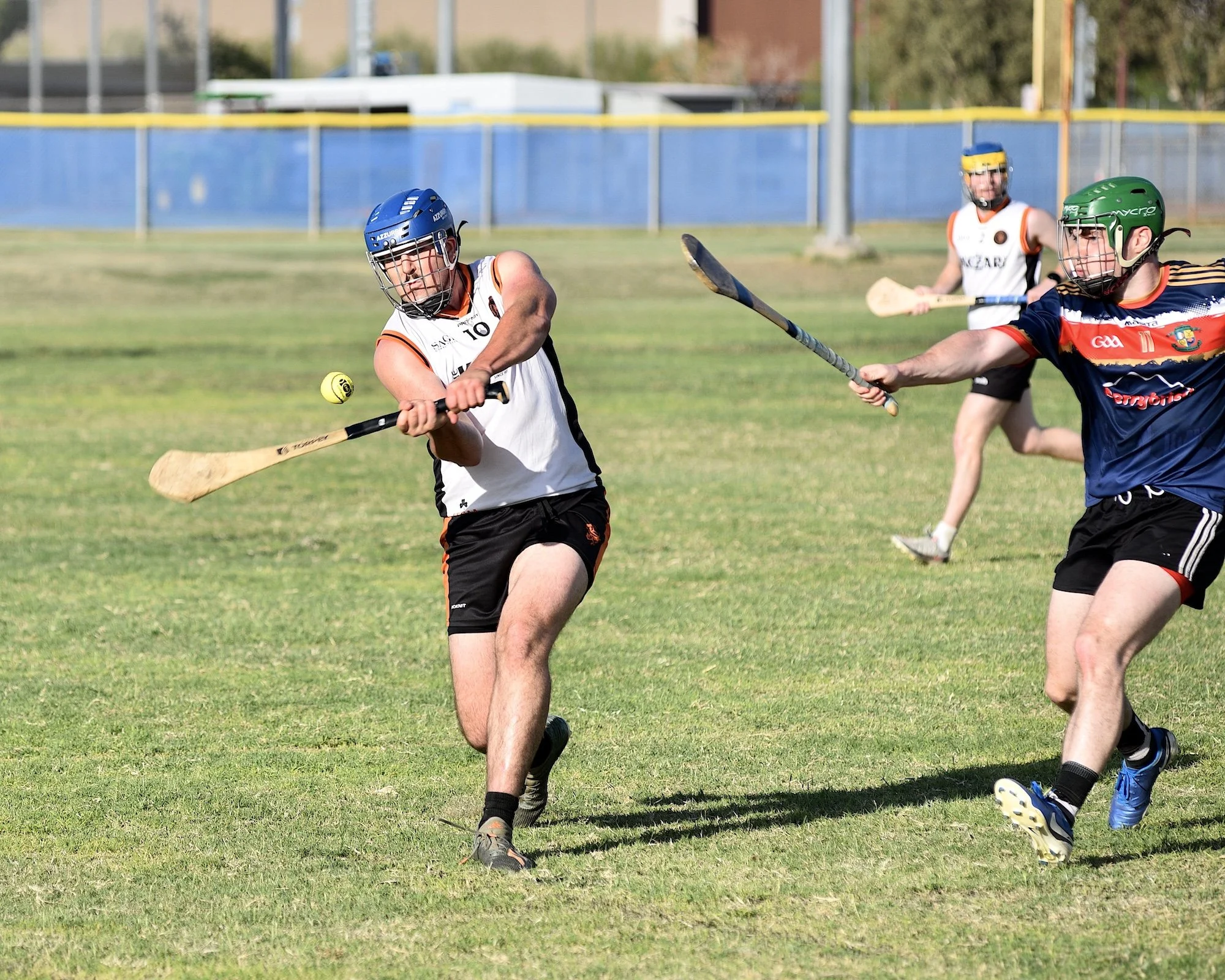
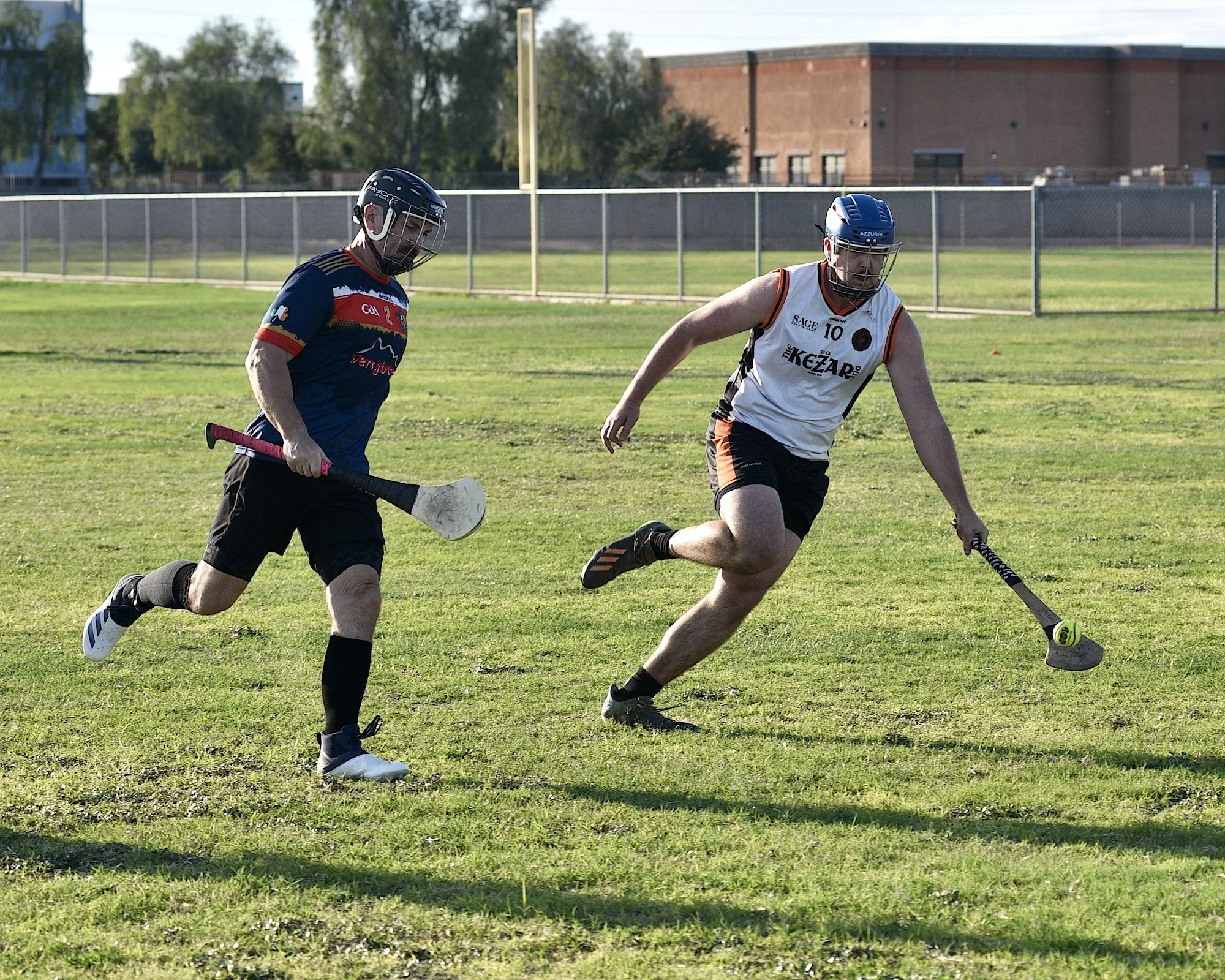
Photograph by William Wayland.
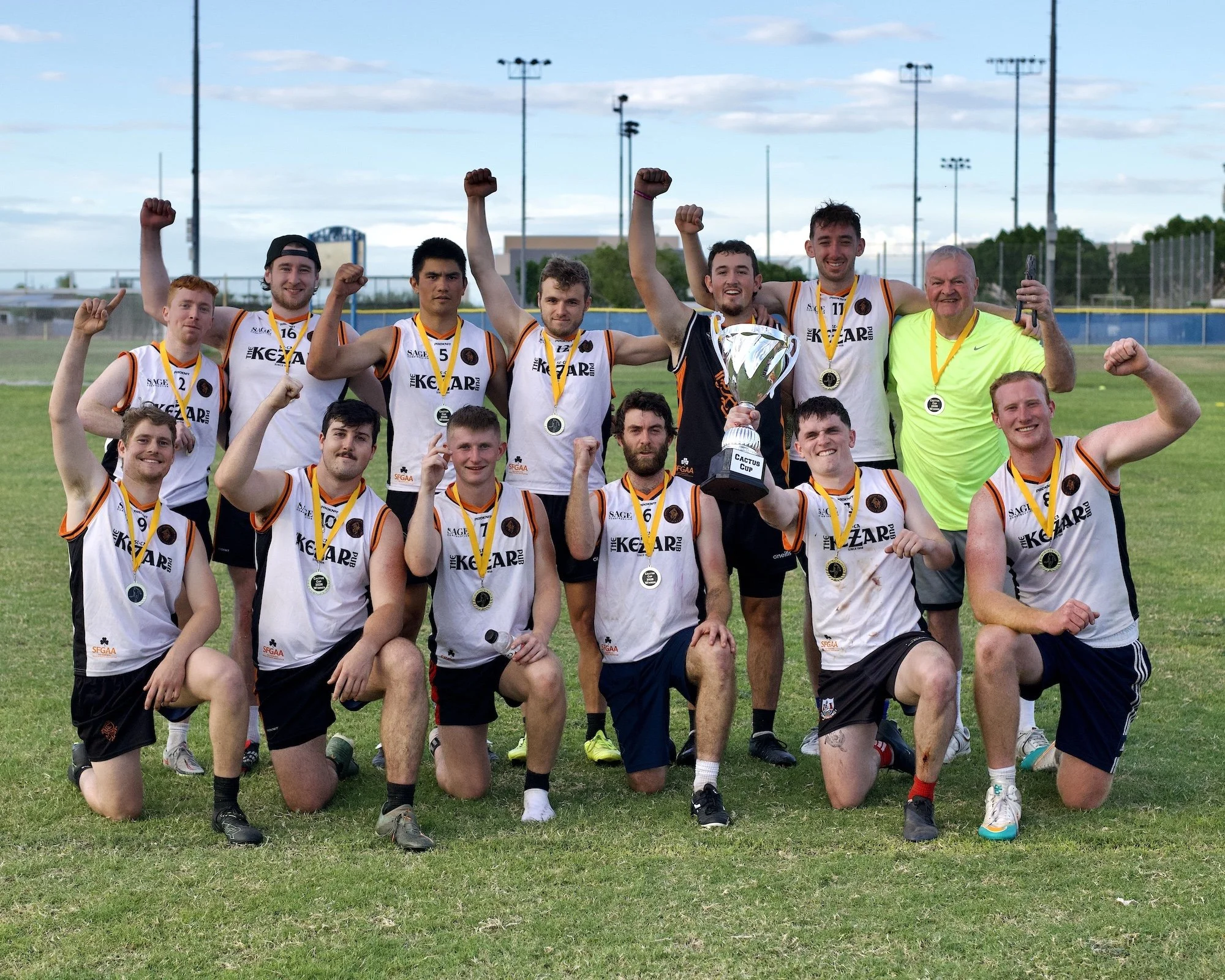
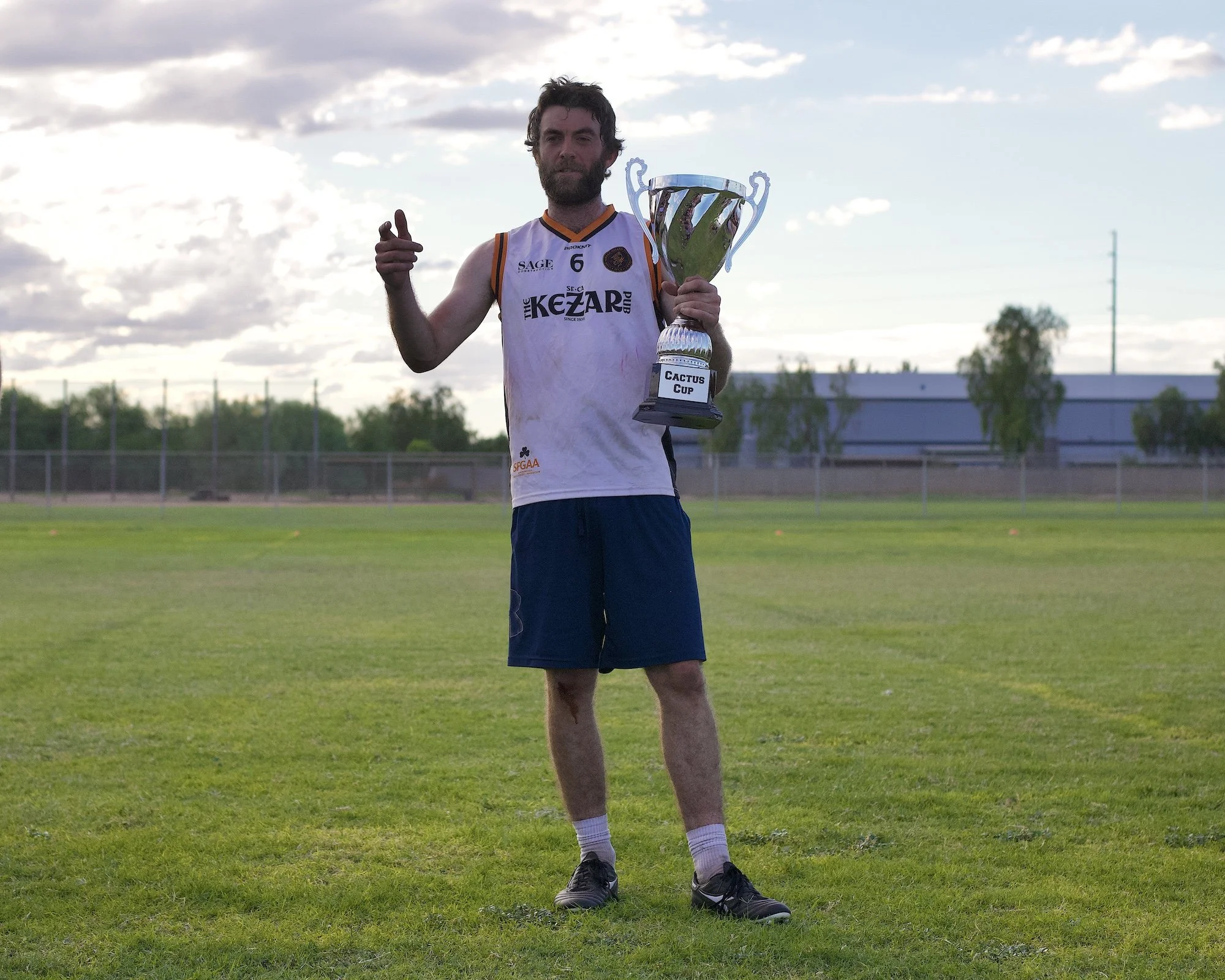
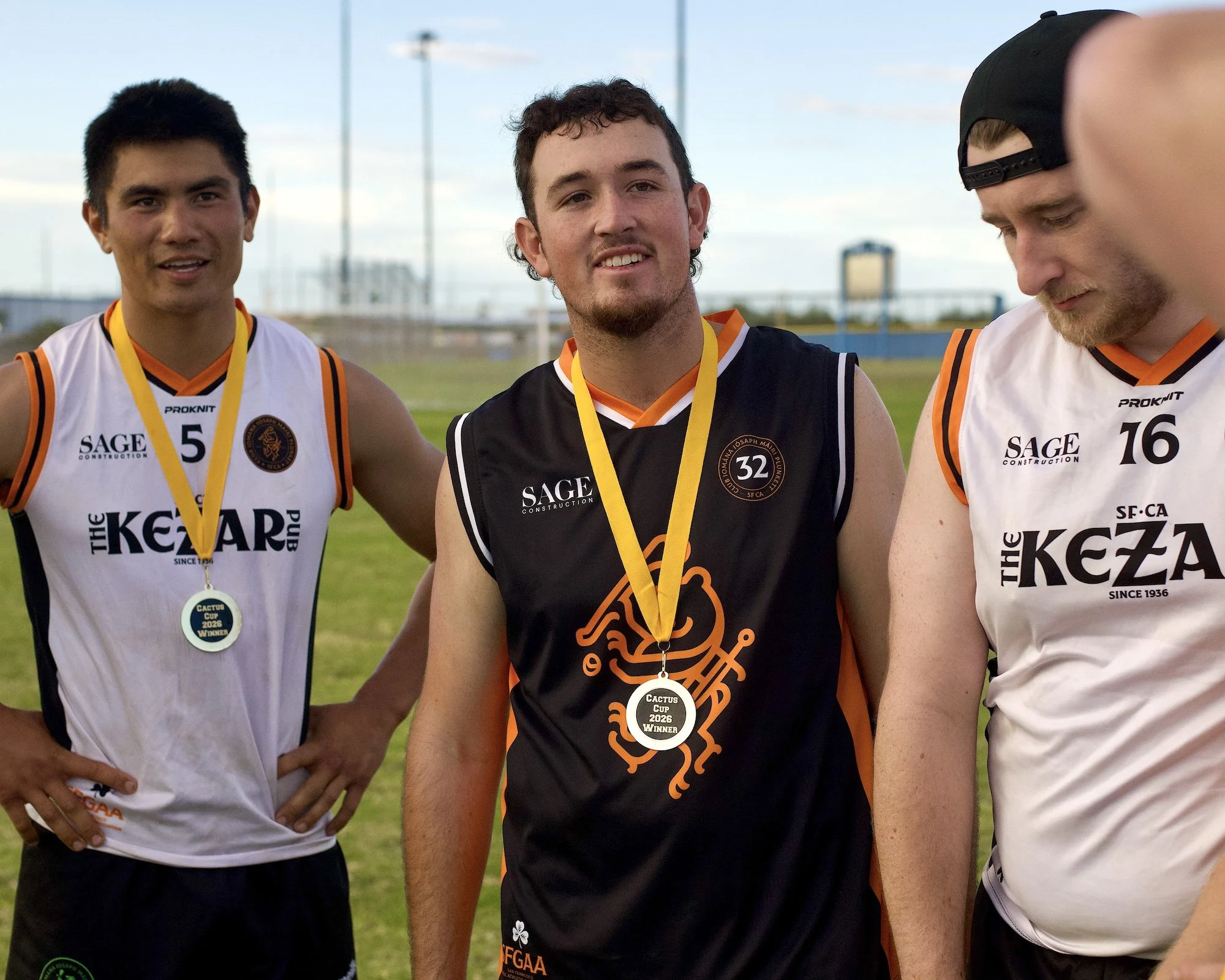
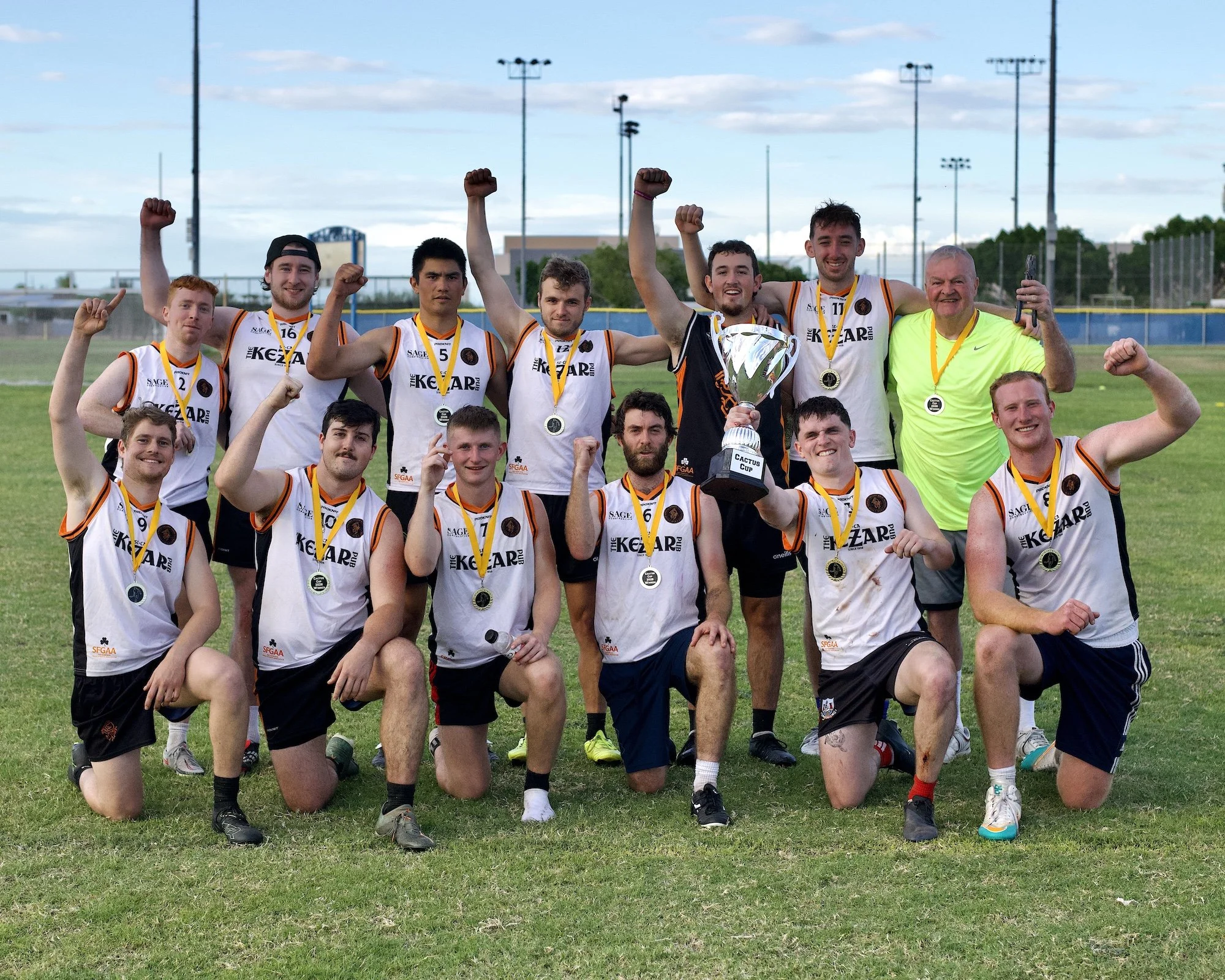
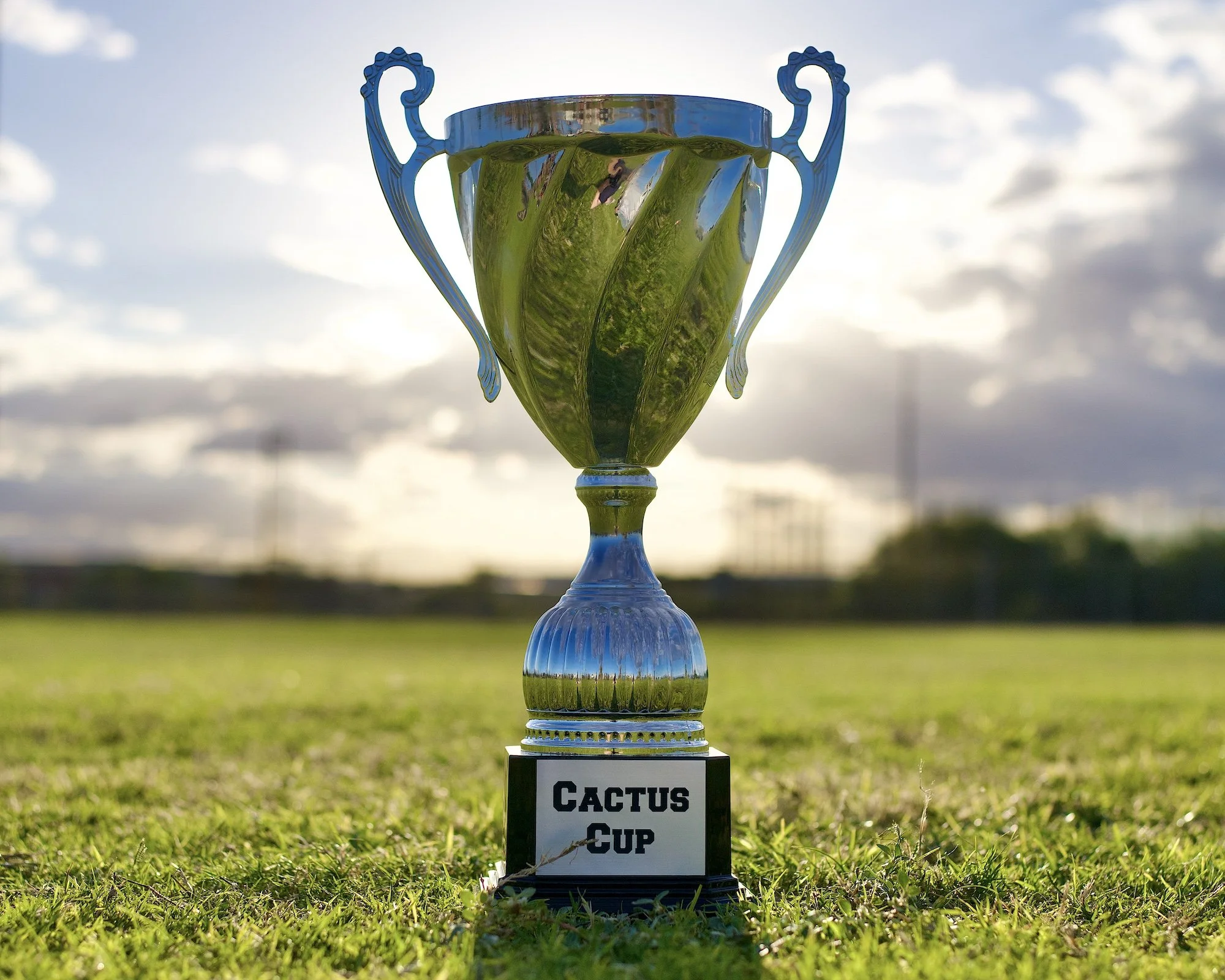
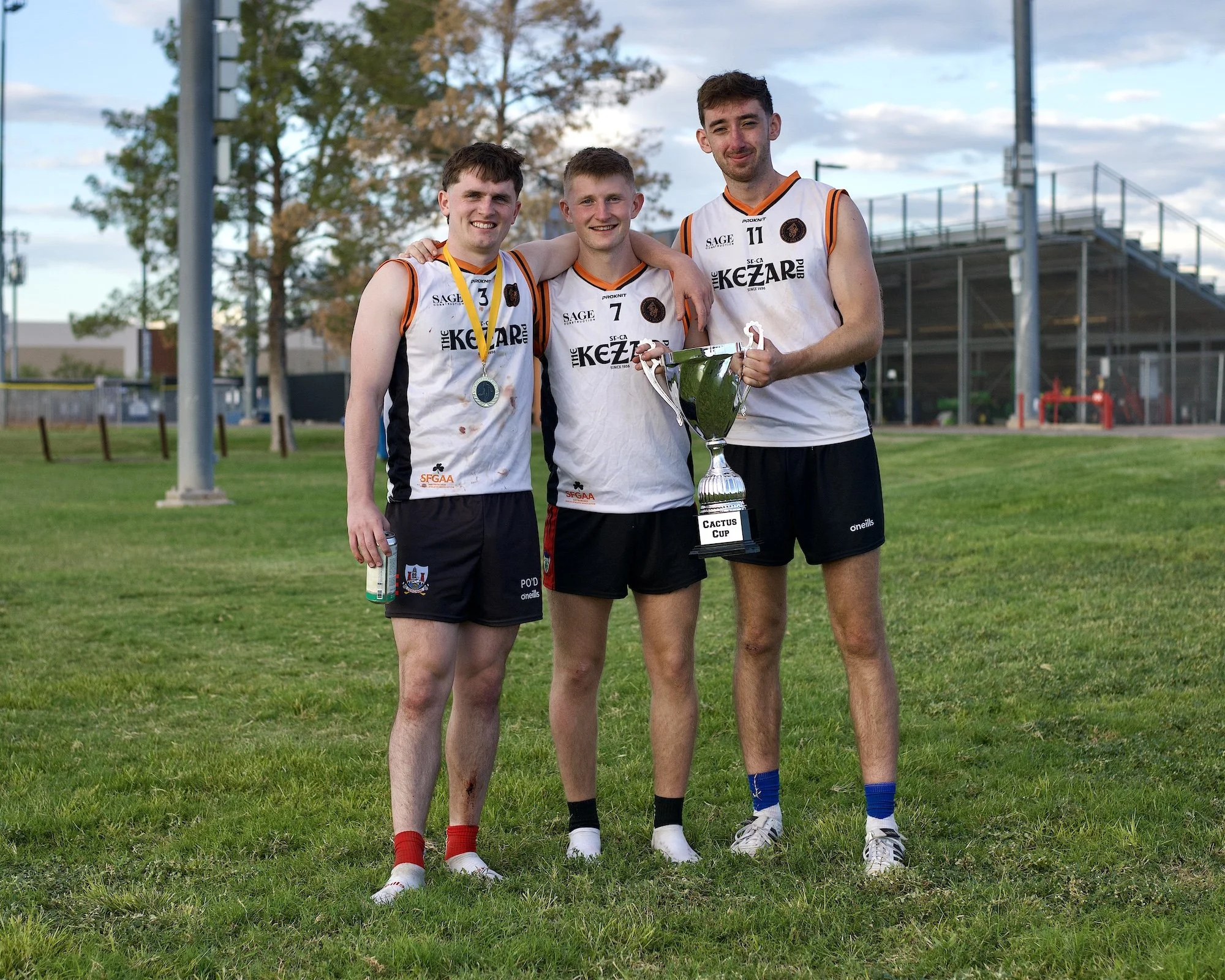
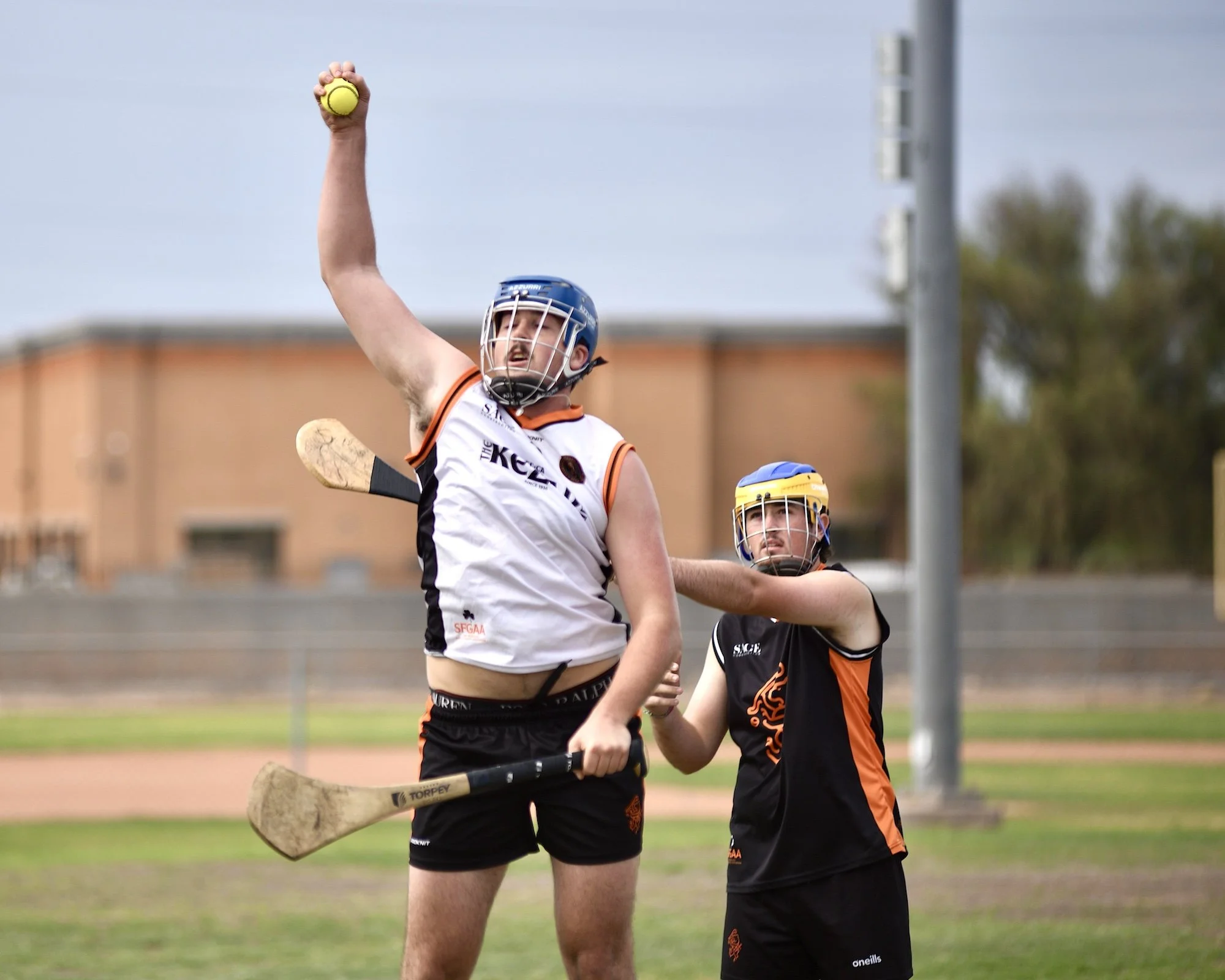
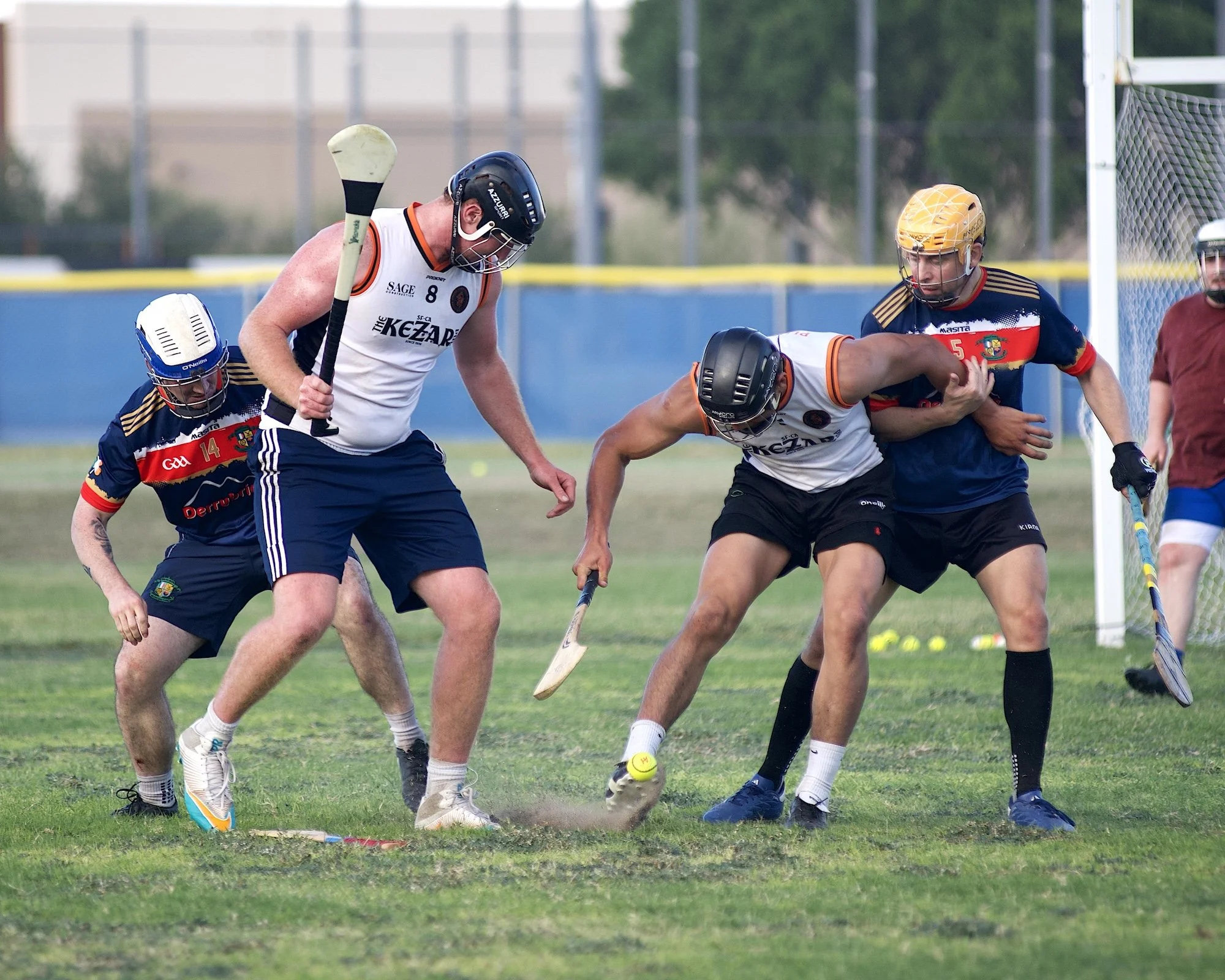
San Francisco’s Joseph Mary Plunketts Hurling Club won the Cactus Cup Desert Classic in Phoenix, Arizona, on October 25, claiming the Ray Sullivan Cup for the third consecutive year. But the significance of their victory goes beyond another trophy.
It was a testament to the spirit of a team that believed in itself, believed in its teammates, and refused to give up when exhaustion set in.
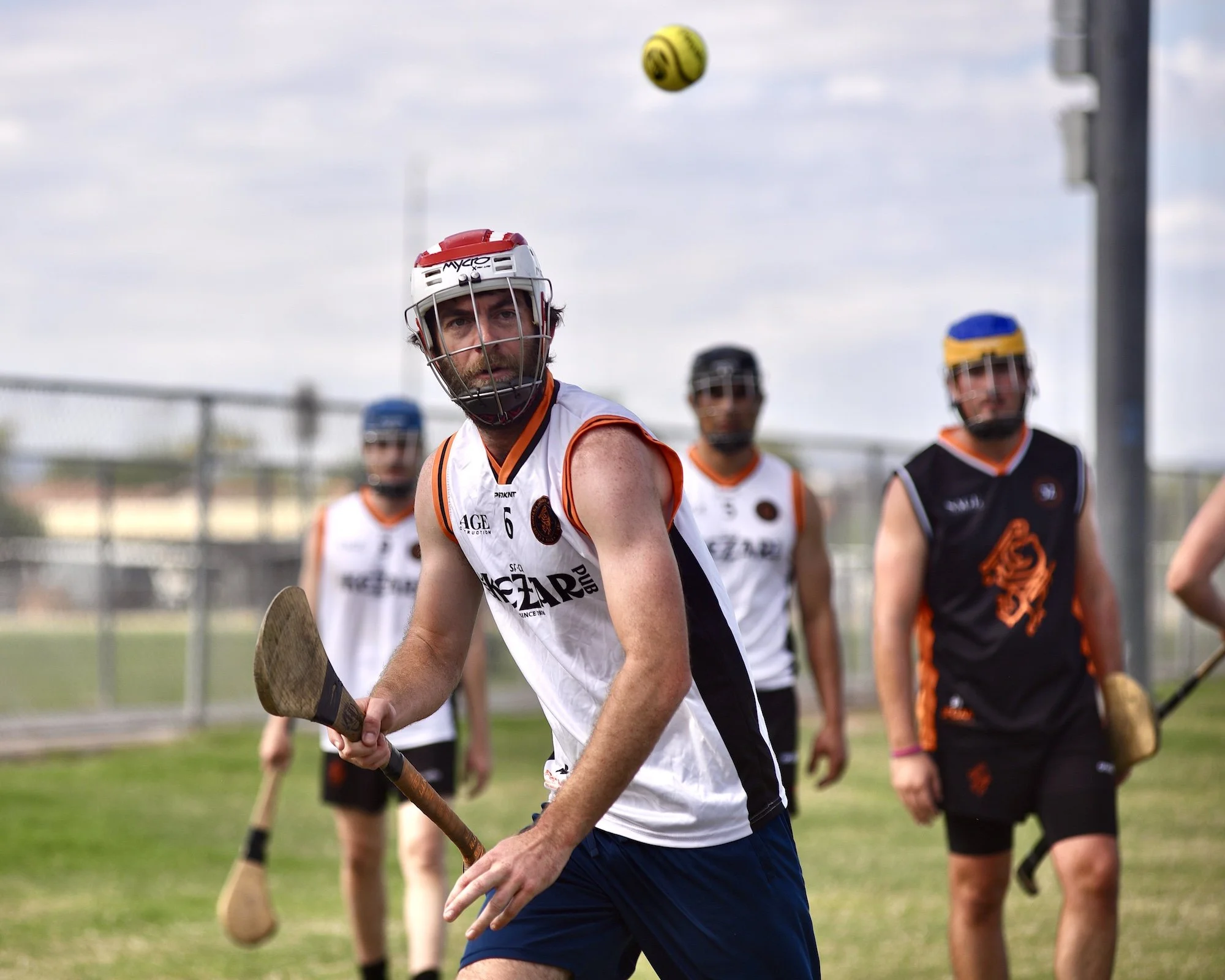
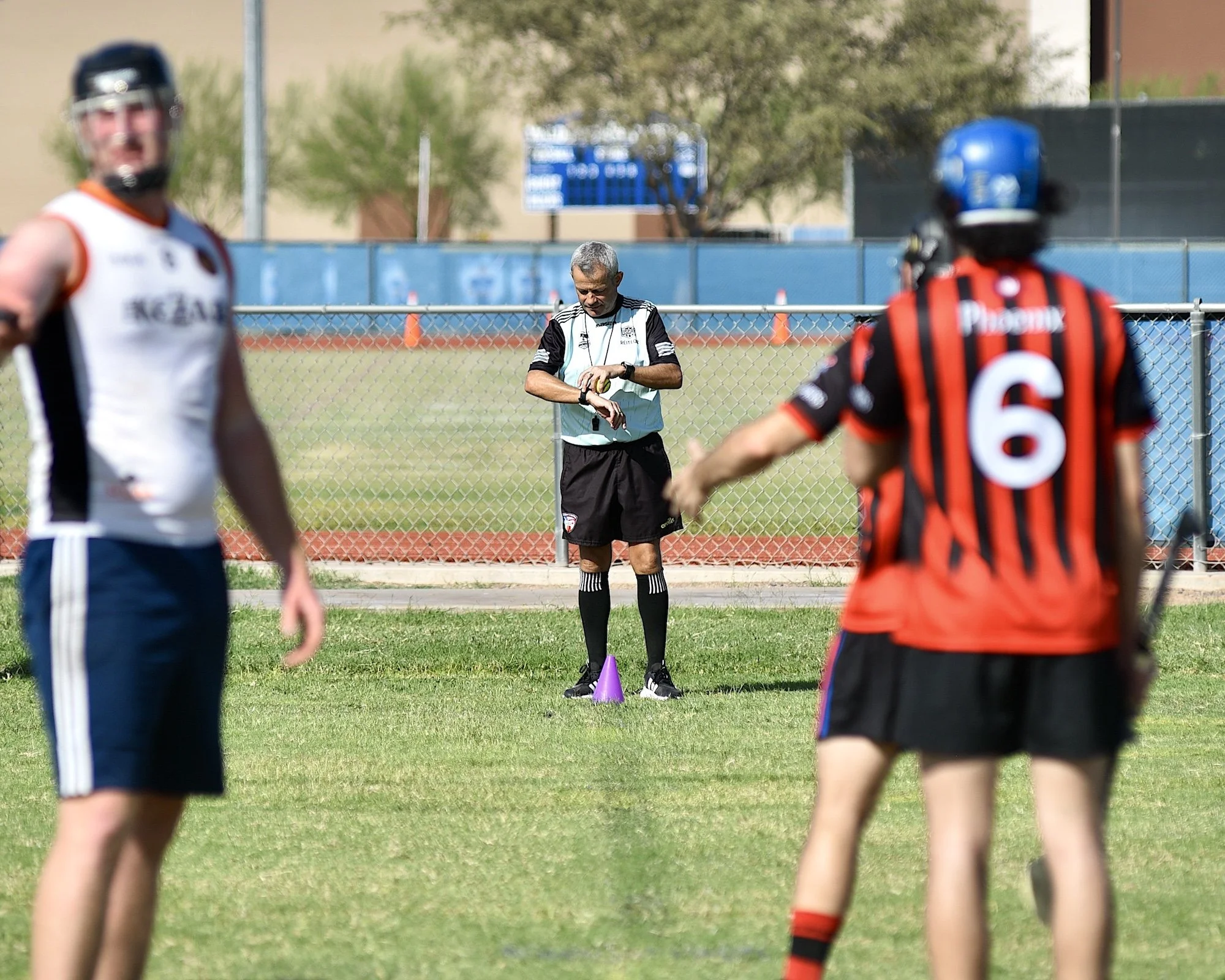
Hosted by Arizona’s Brian Boru Hurling and Football Club, the annual nine-a-side junior hurling tournament brings together new and developing clubs from across the United States. The competition began at 10 am, with teams battling through group-stage matches before the afternoon cup and shield playoffs.
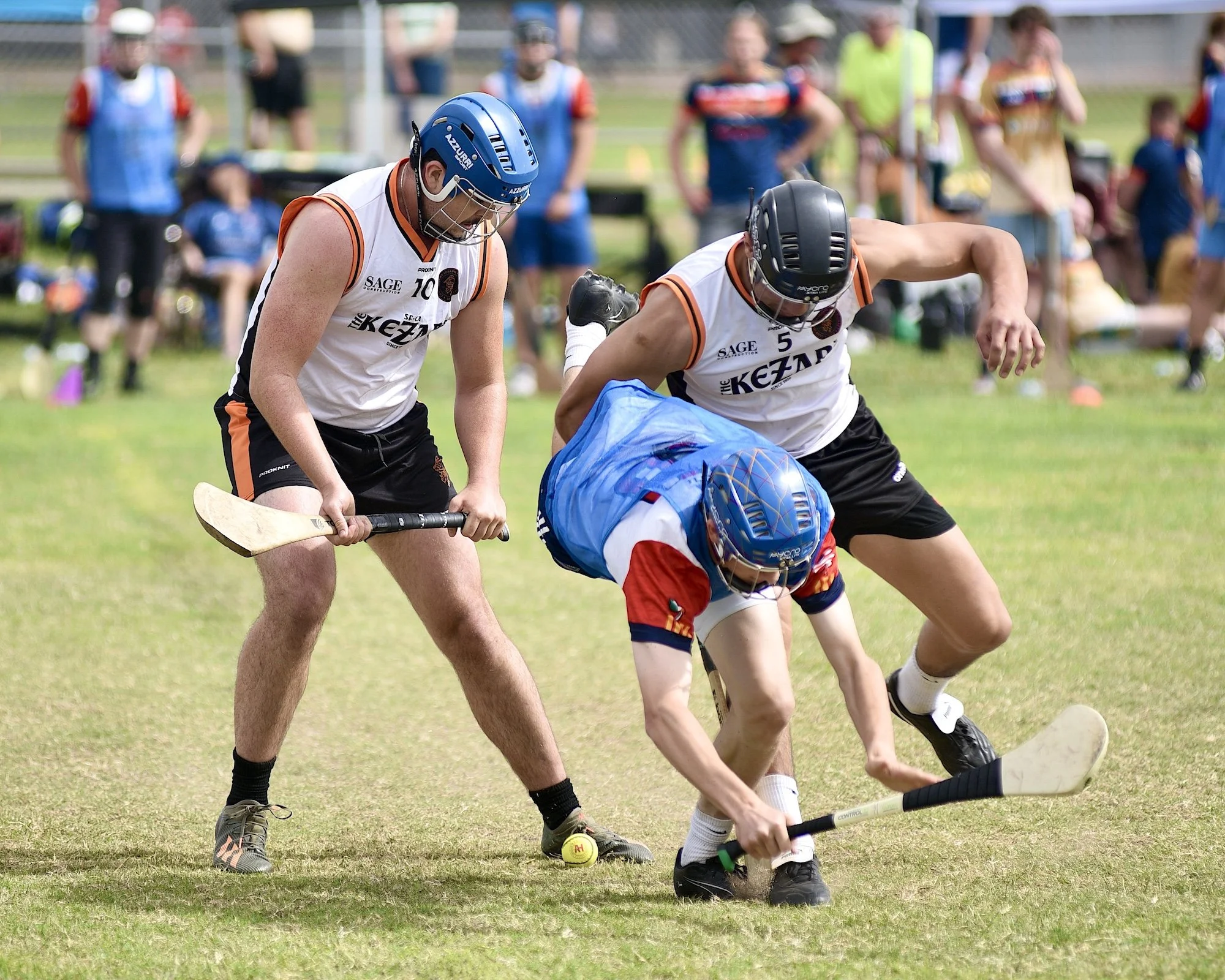
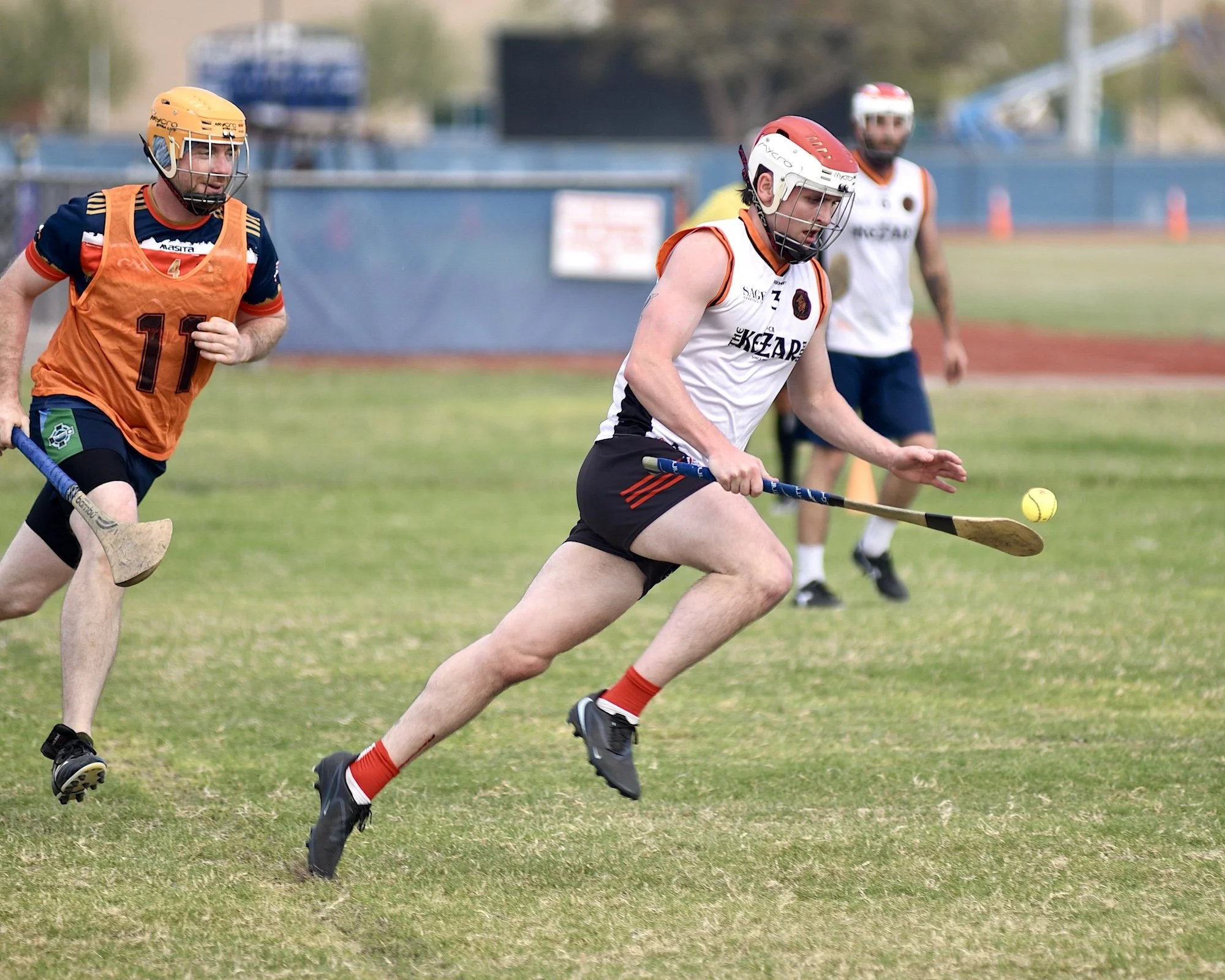
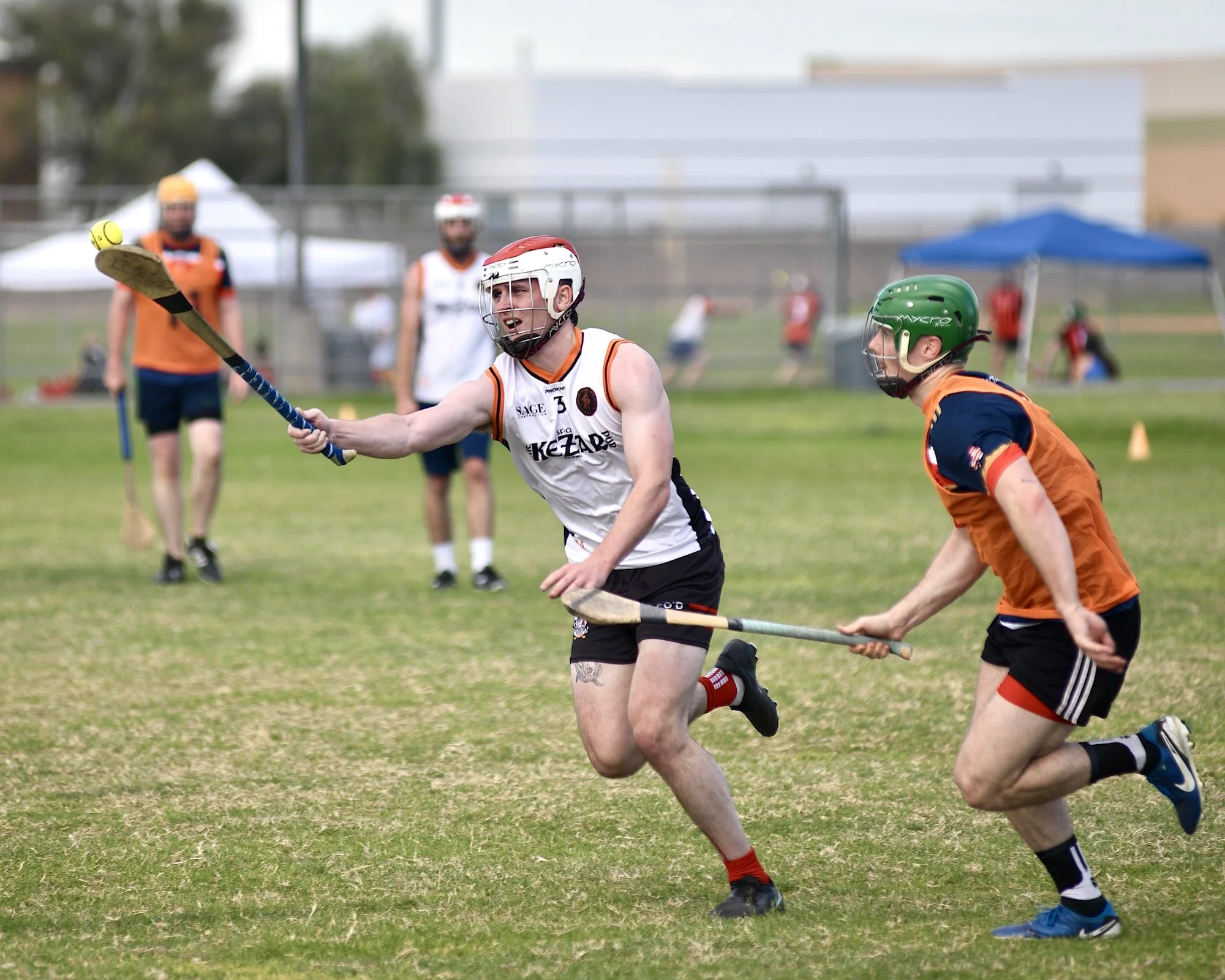
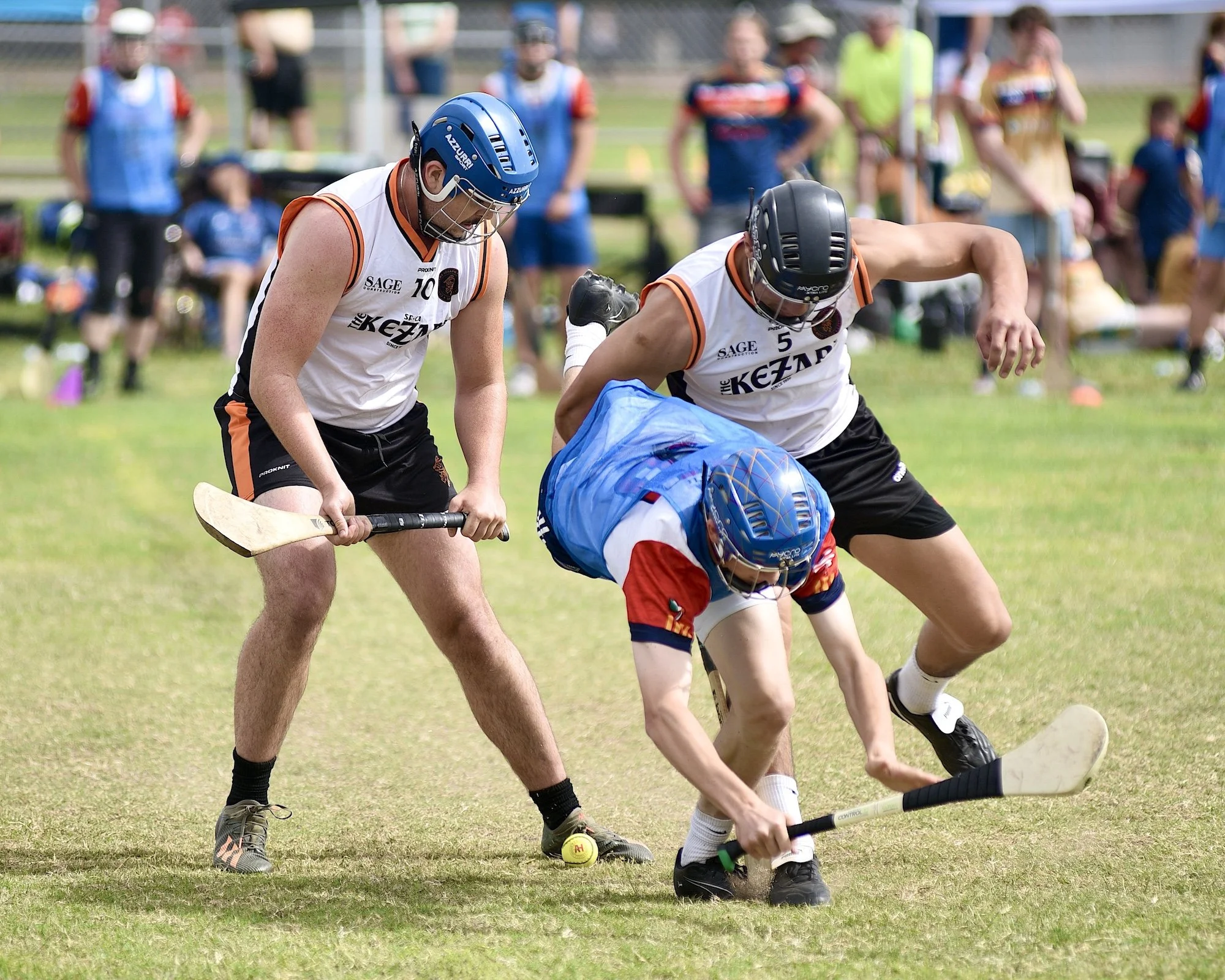
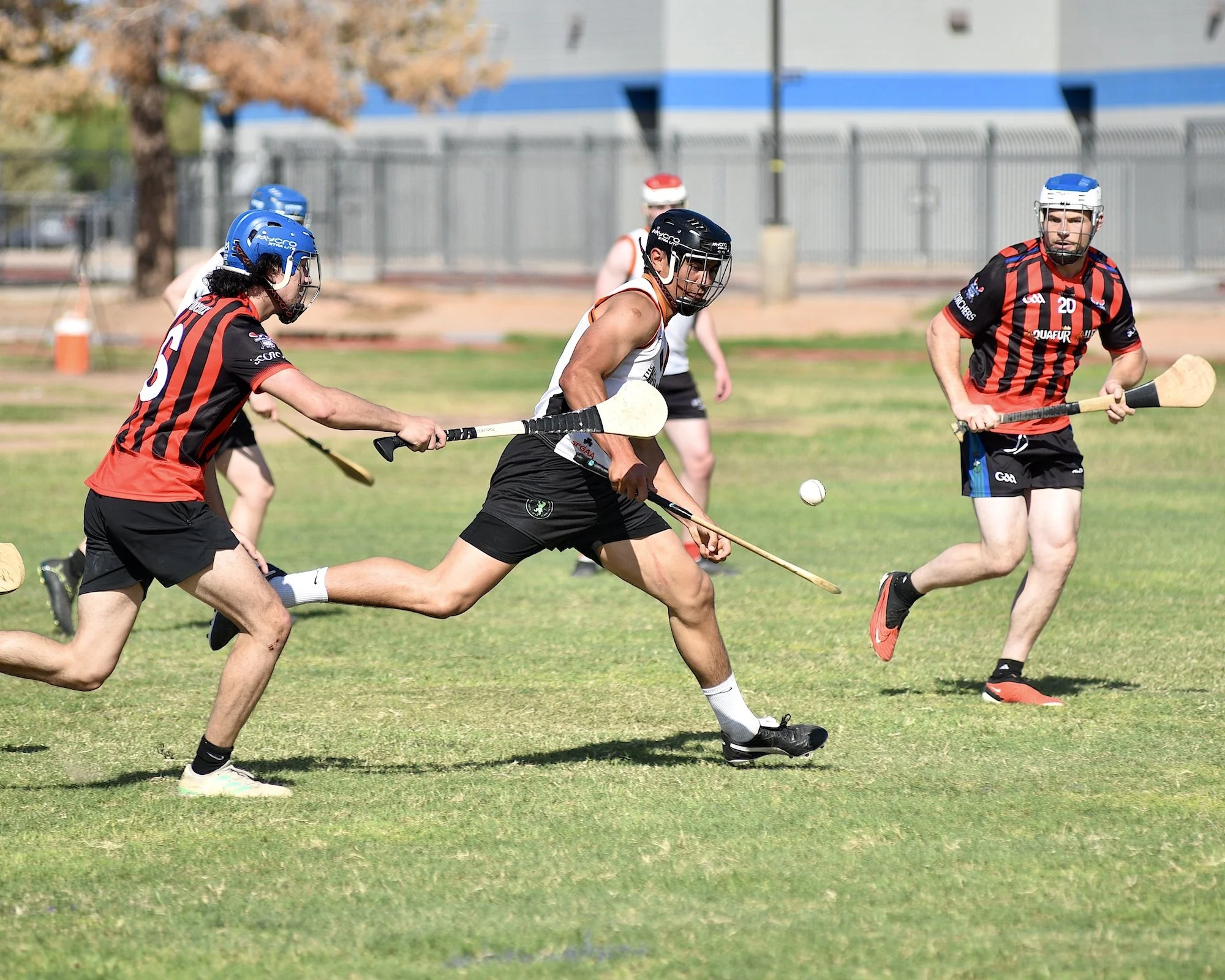
For the Plunketts, it was a long, hot day with every opponent determined to end their winning streak. They beat every club they faced.
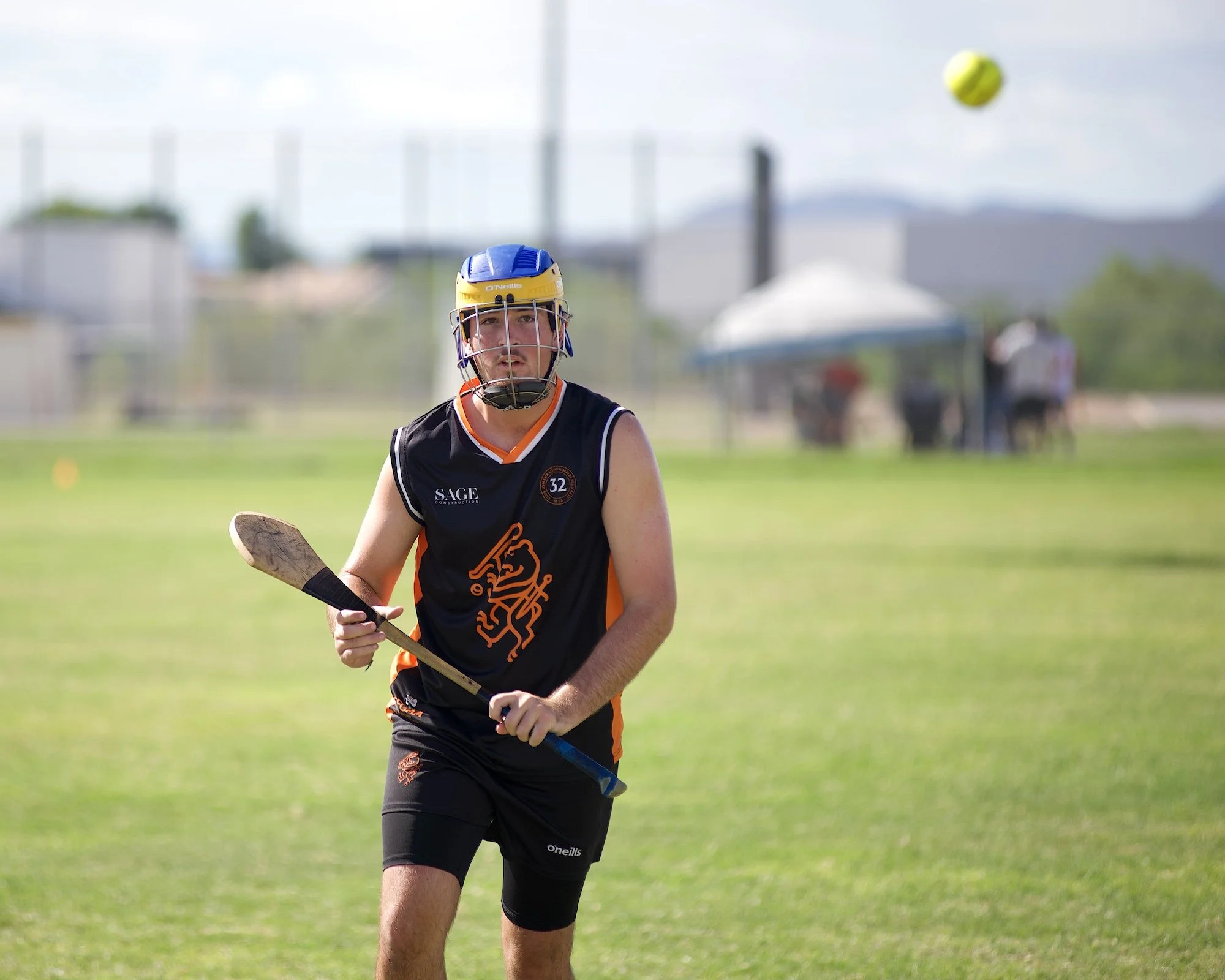
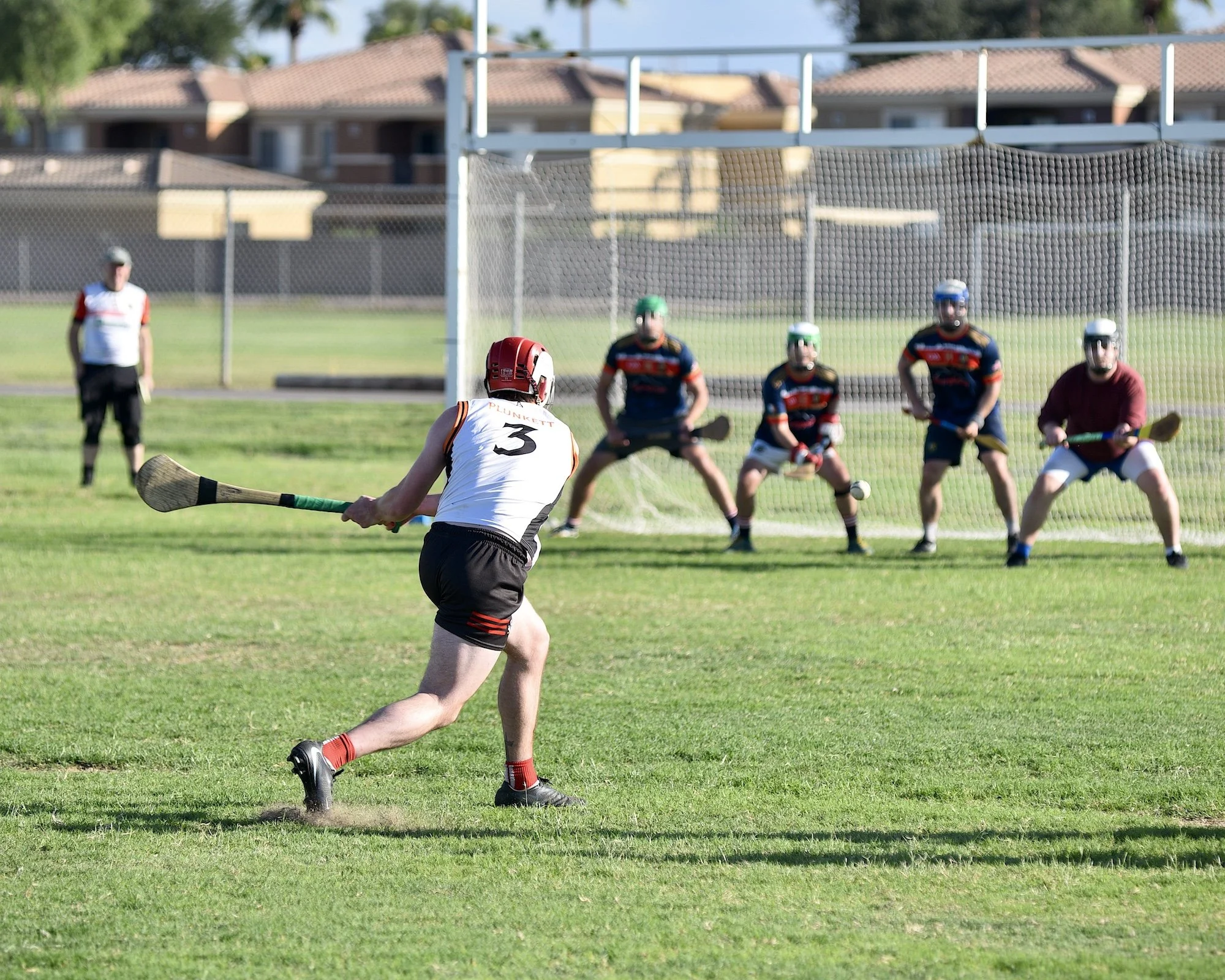
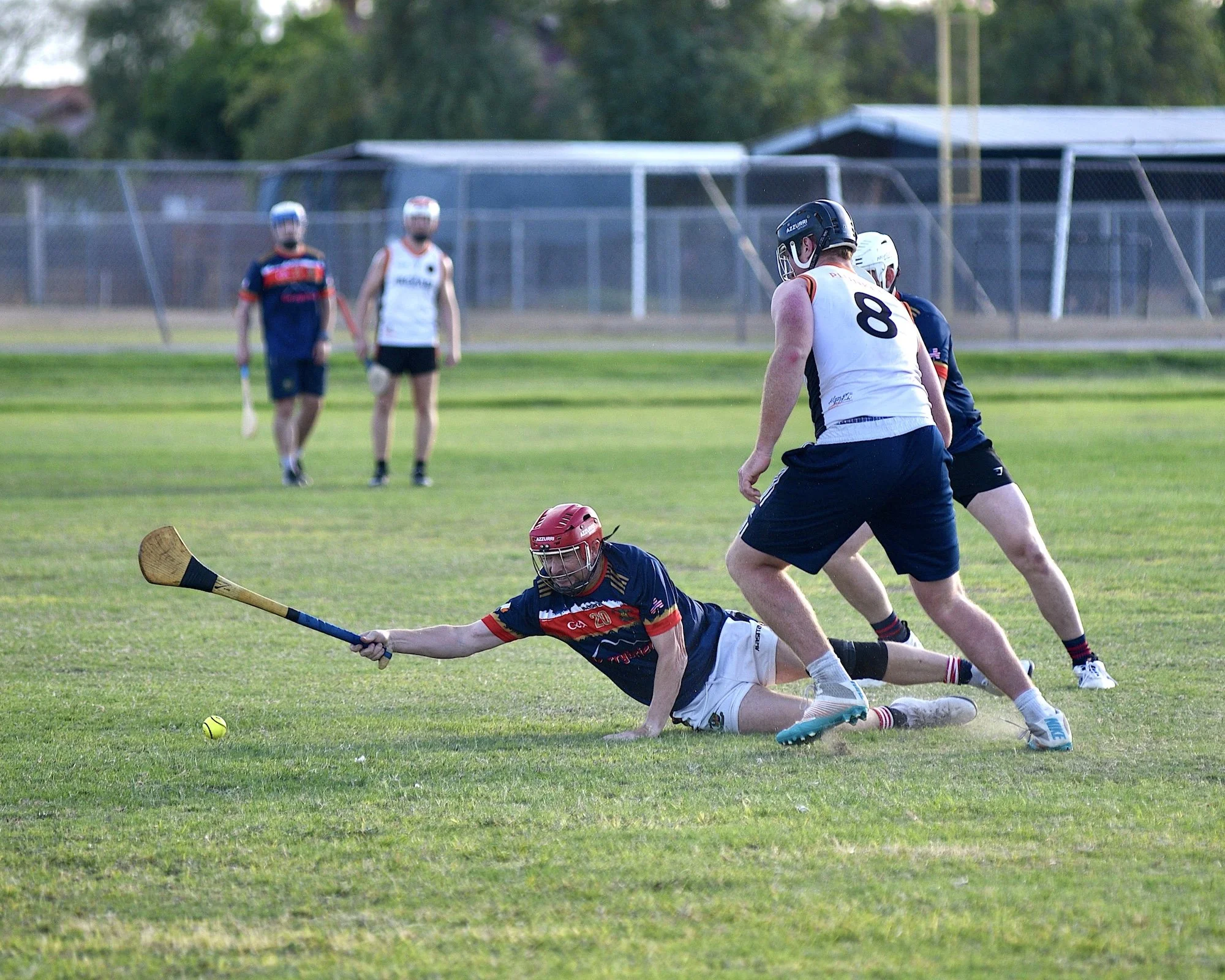
Photograph by William Wayland.
From Underdogs to Three-Time Champions
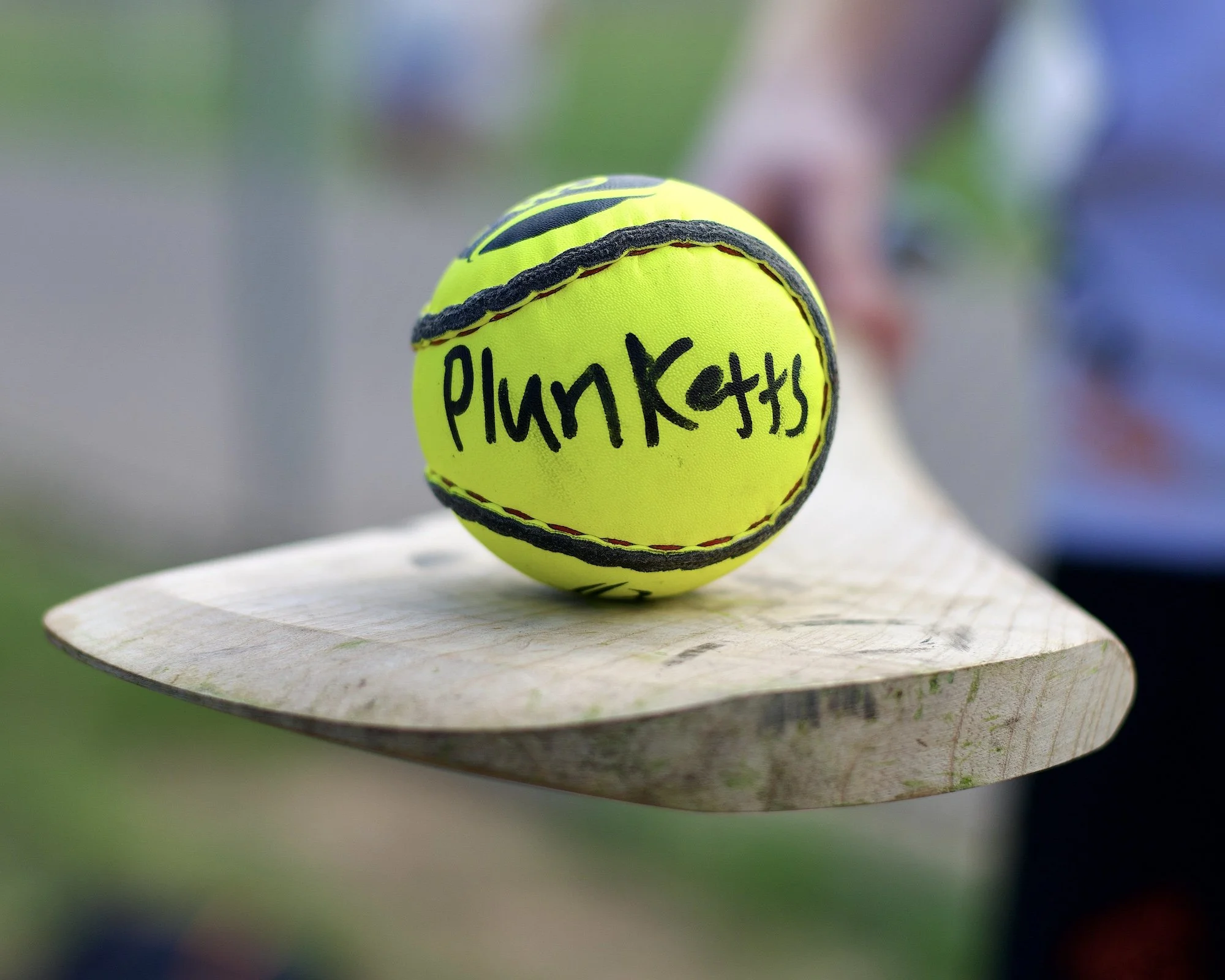
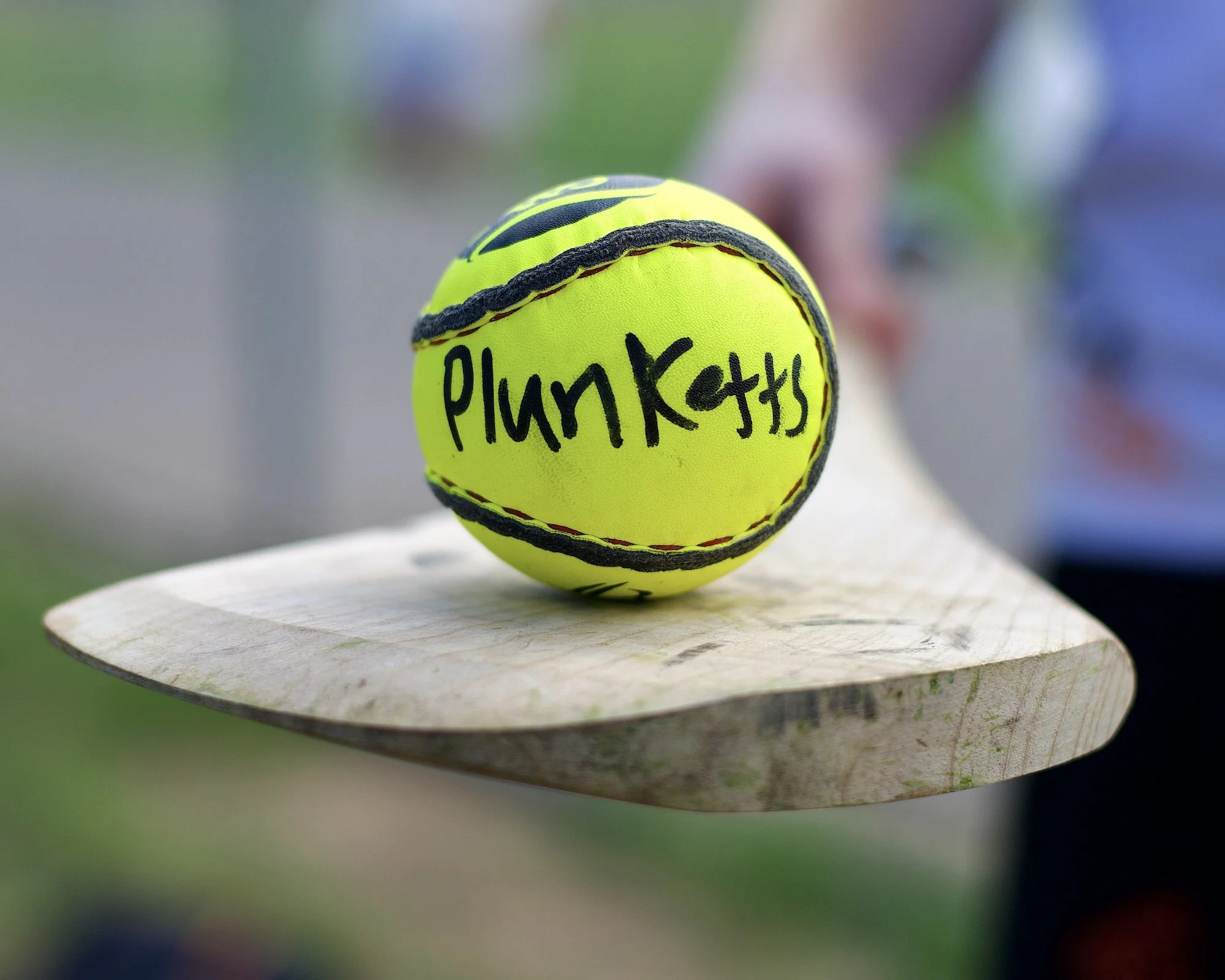
The Cactus Cup was the Plunketts’ first competition in 2024. They were so new that their white T-shirts bore the club name written in Sharpie. Nobody expected a brand-new team without proper uniforms to beat established clubs. Yet they won the tournament.
In 2025, they returned with a target on their backs and won again.
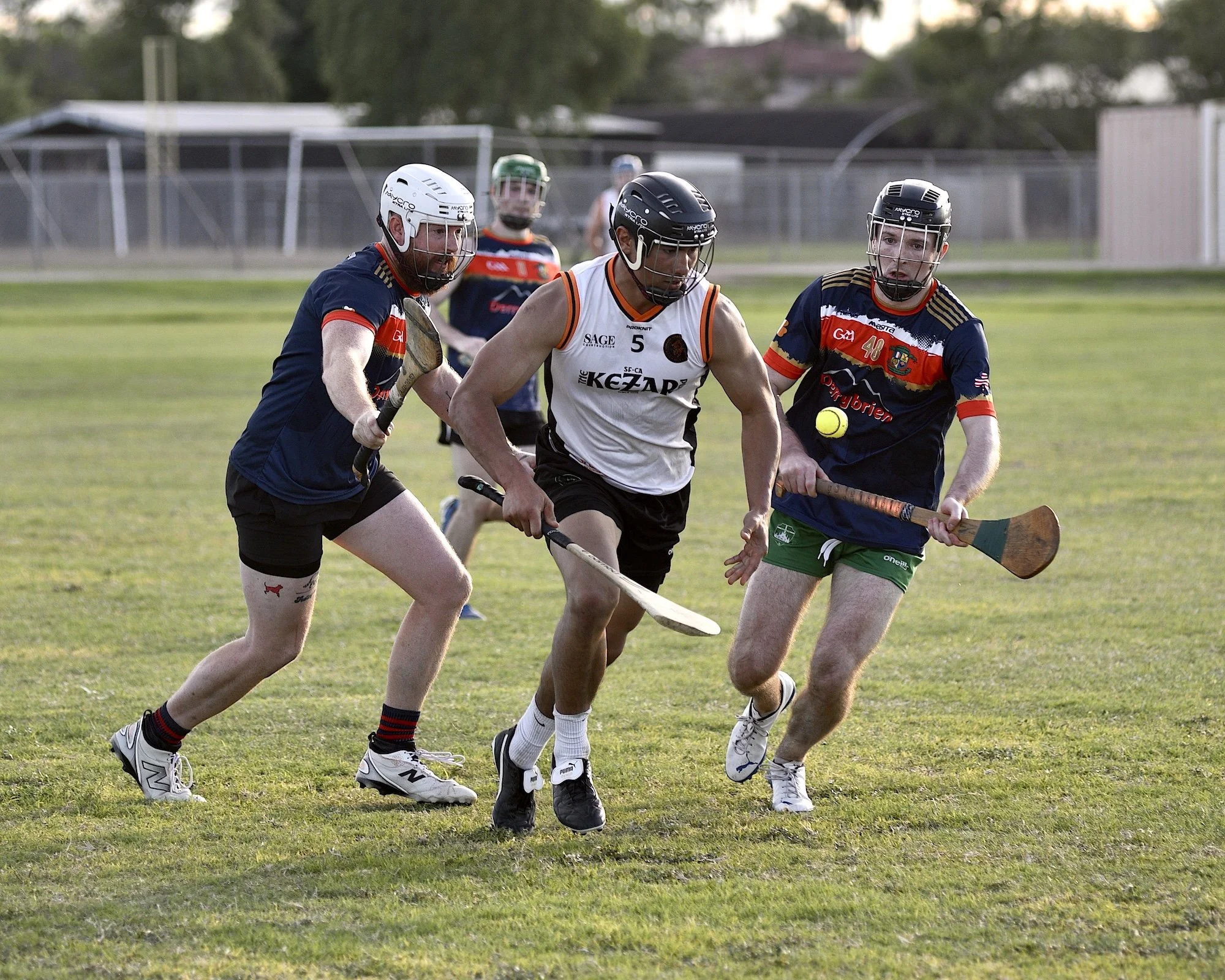
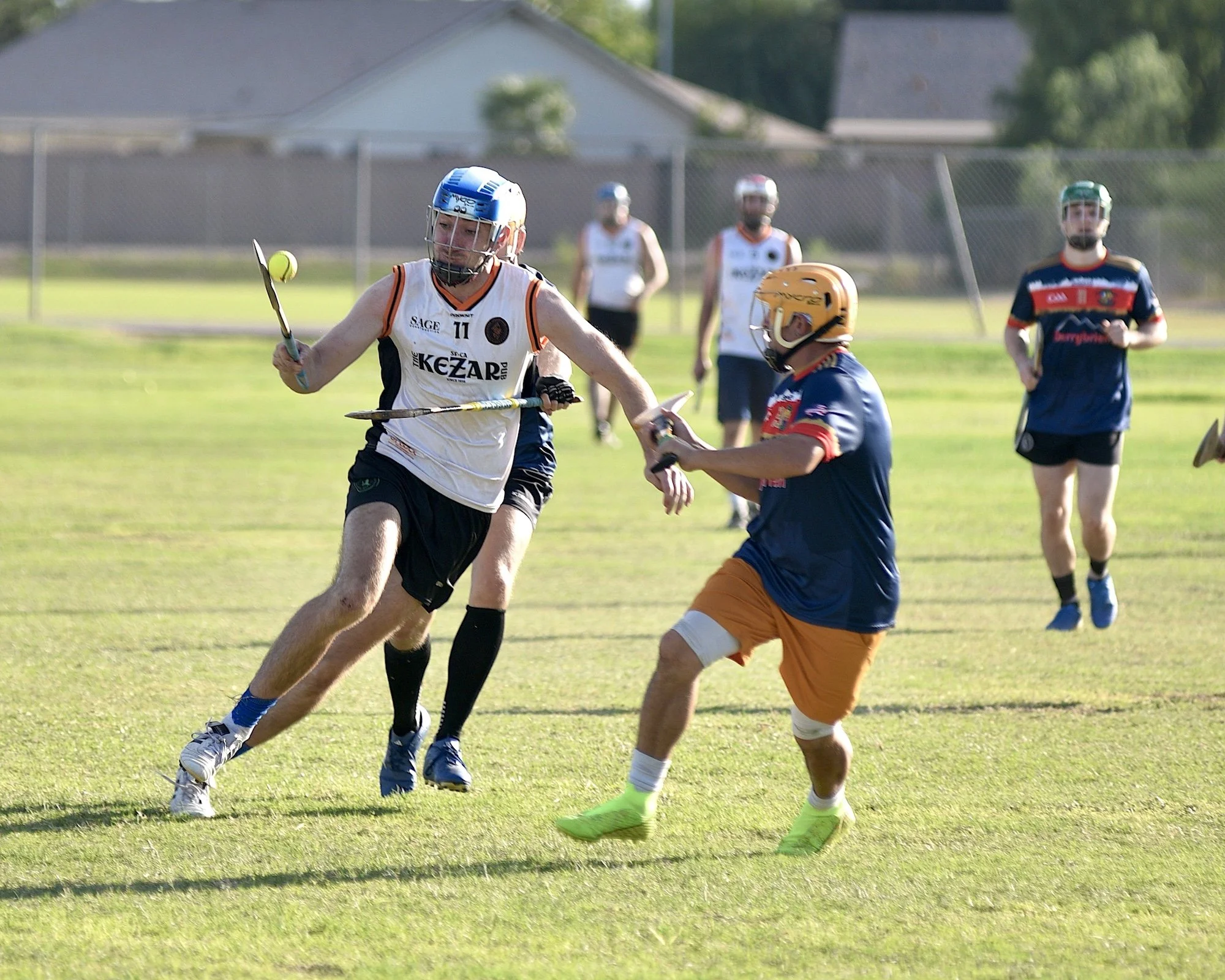
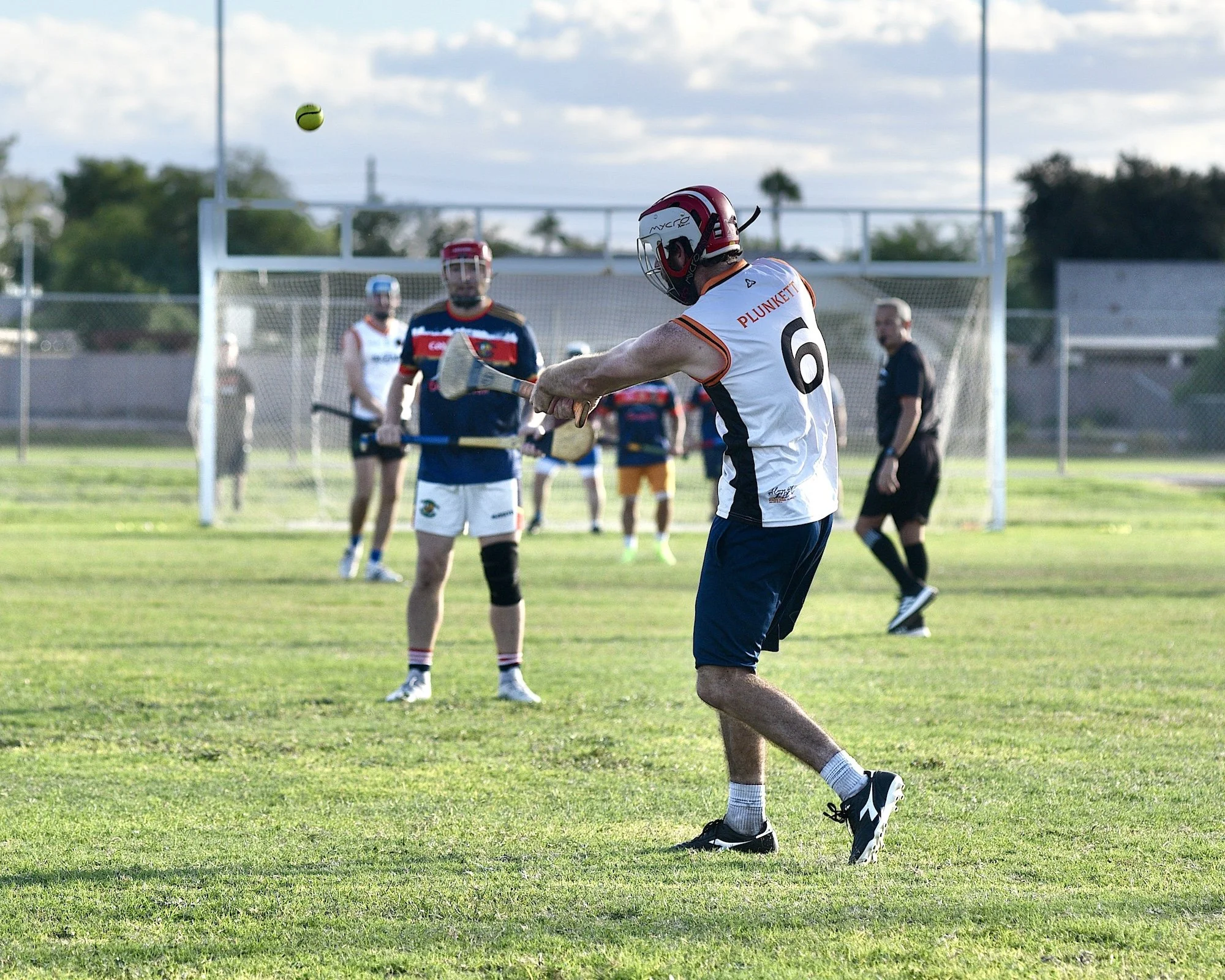
By 2026, everyone wanted to beat the two-time champions. The Plunketts had come a long way from those handwritten jerseys, but the challenge was greater than ever.
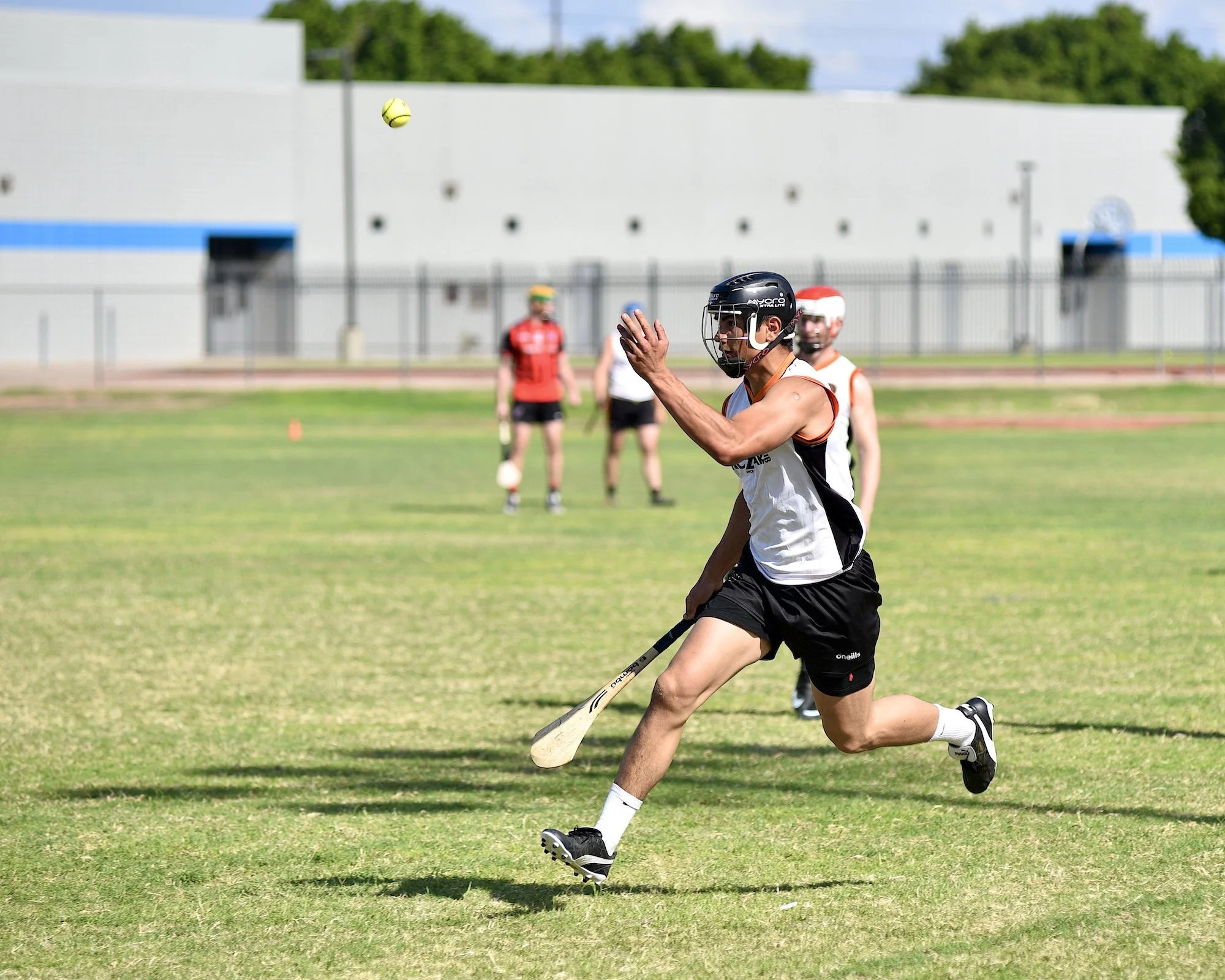
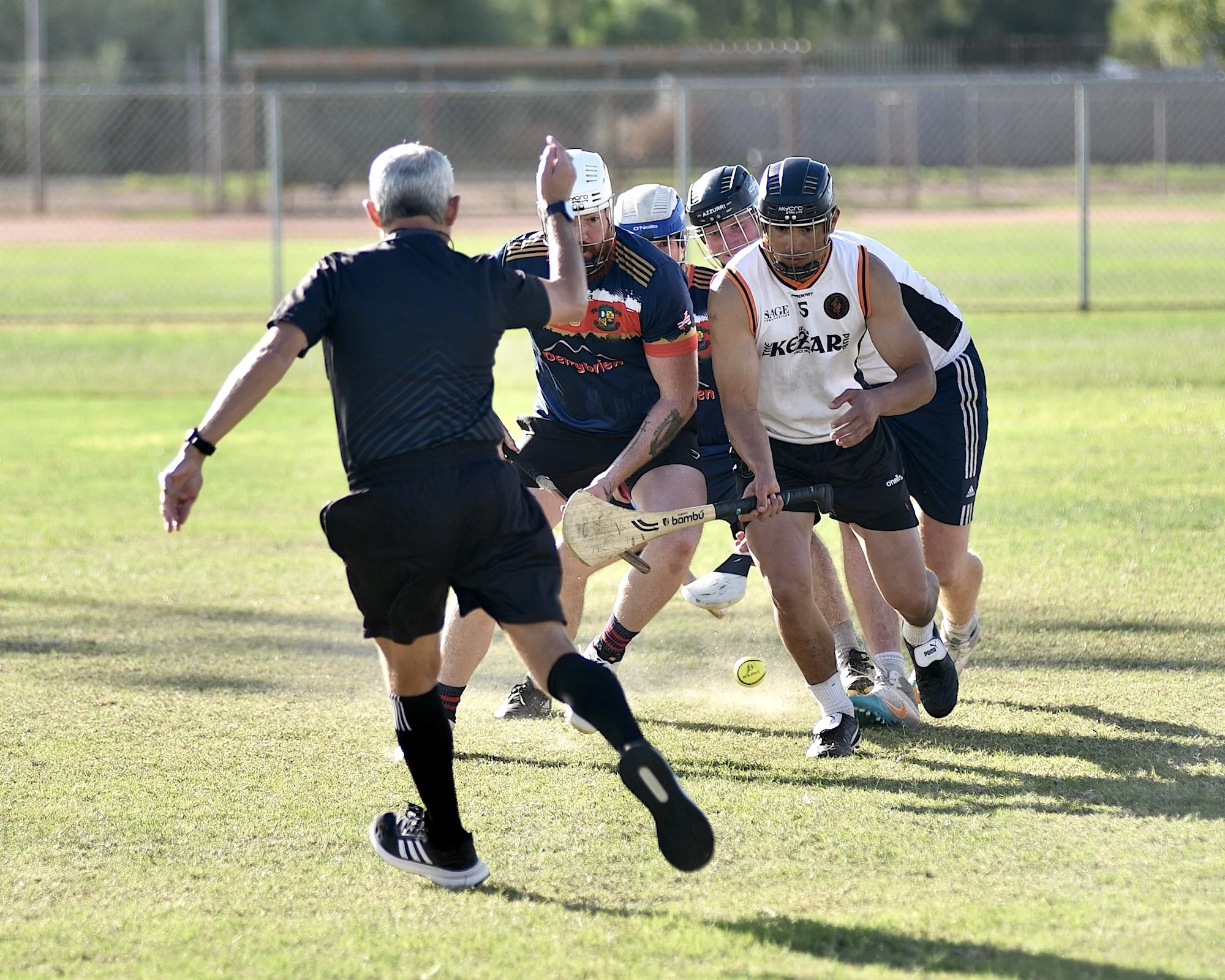
Photograph by William Wayland.
Belief When It Mattered Most
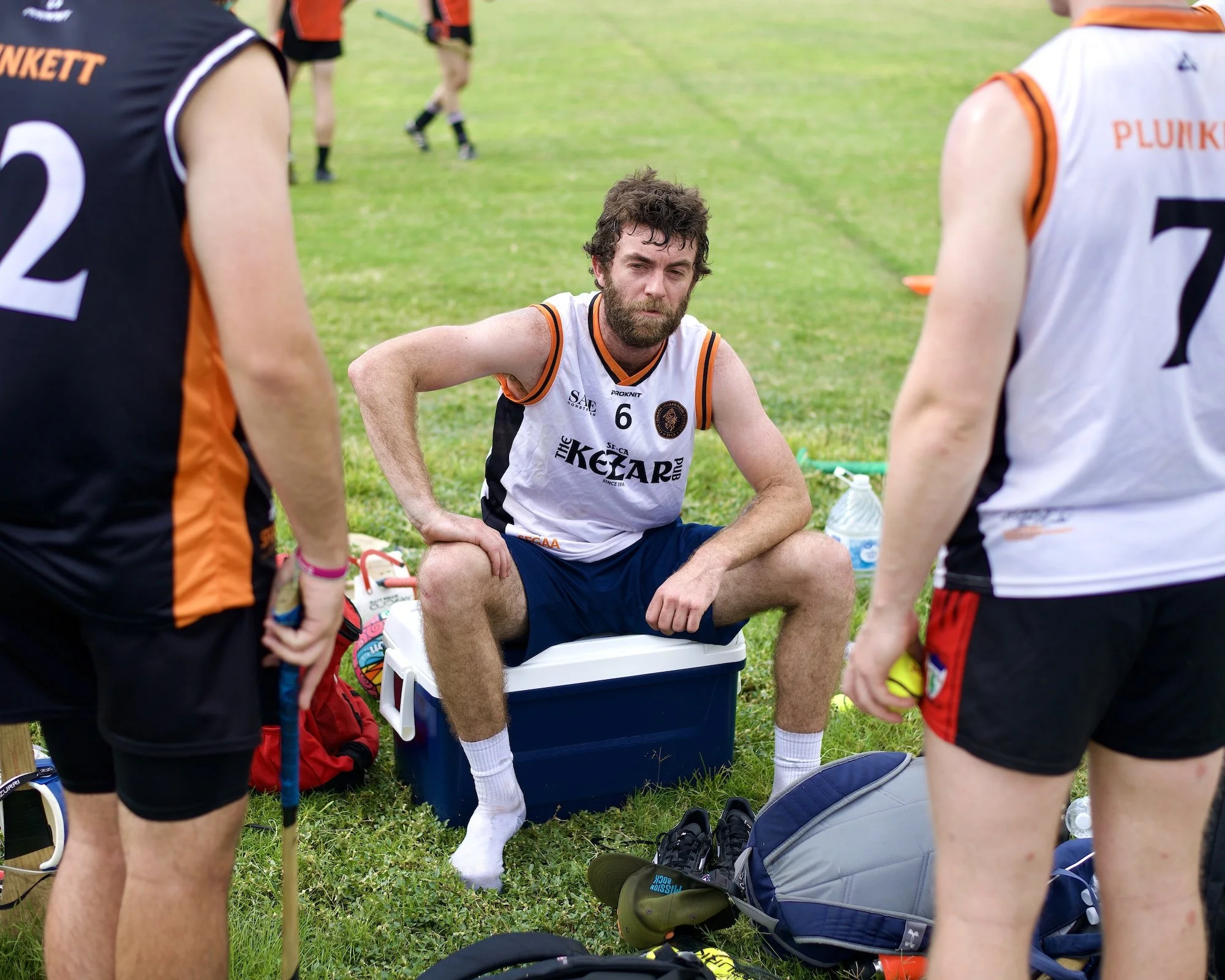
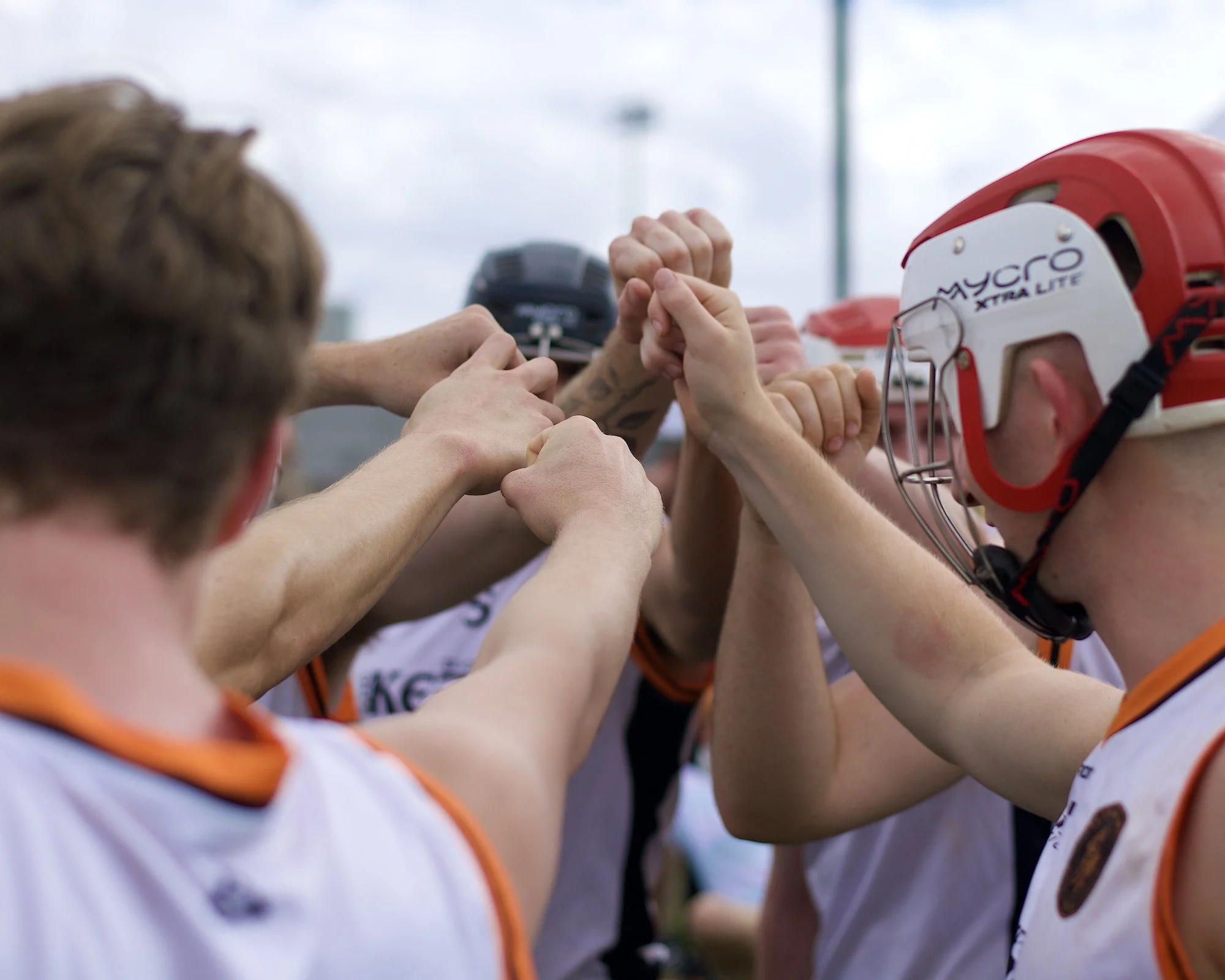
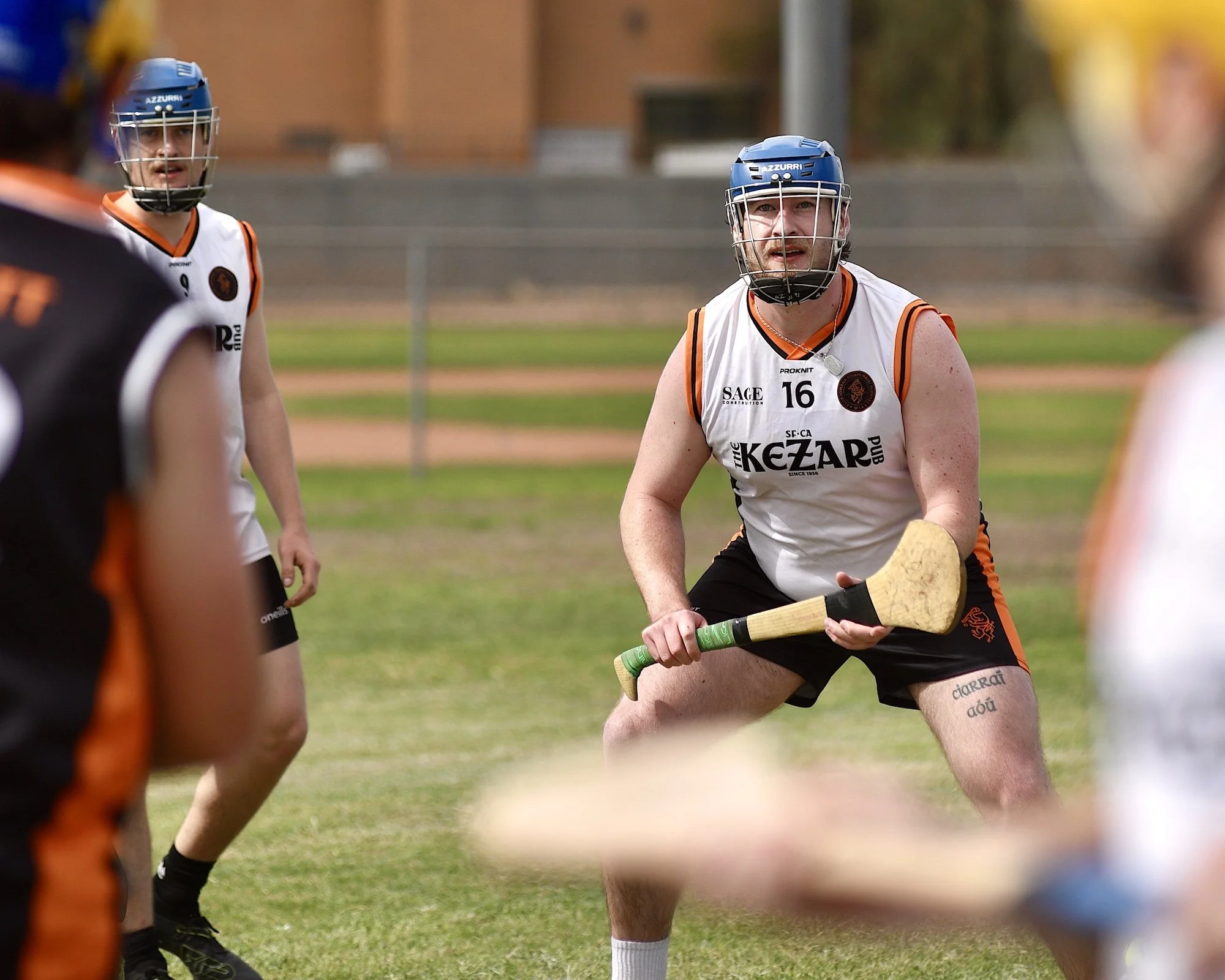
The tournament tested the Plunketts in every way. While other clubs rested beneath shaded tents, the San Francisco players baked in the Arizona sun. With just three subs and no coach, they relied on each other to manage each game.
As the day wore on, the competition grew tougher and the players grew more tired. Muscles ached. Legs grew heavy. Points that would have been easy earlier in the day went wide.
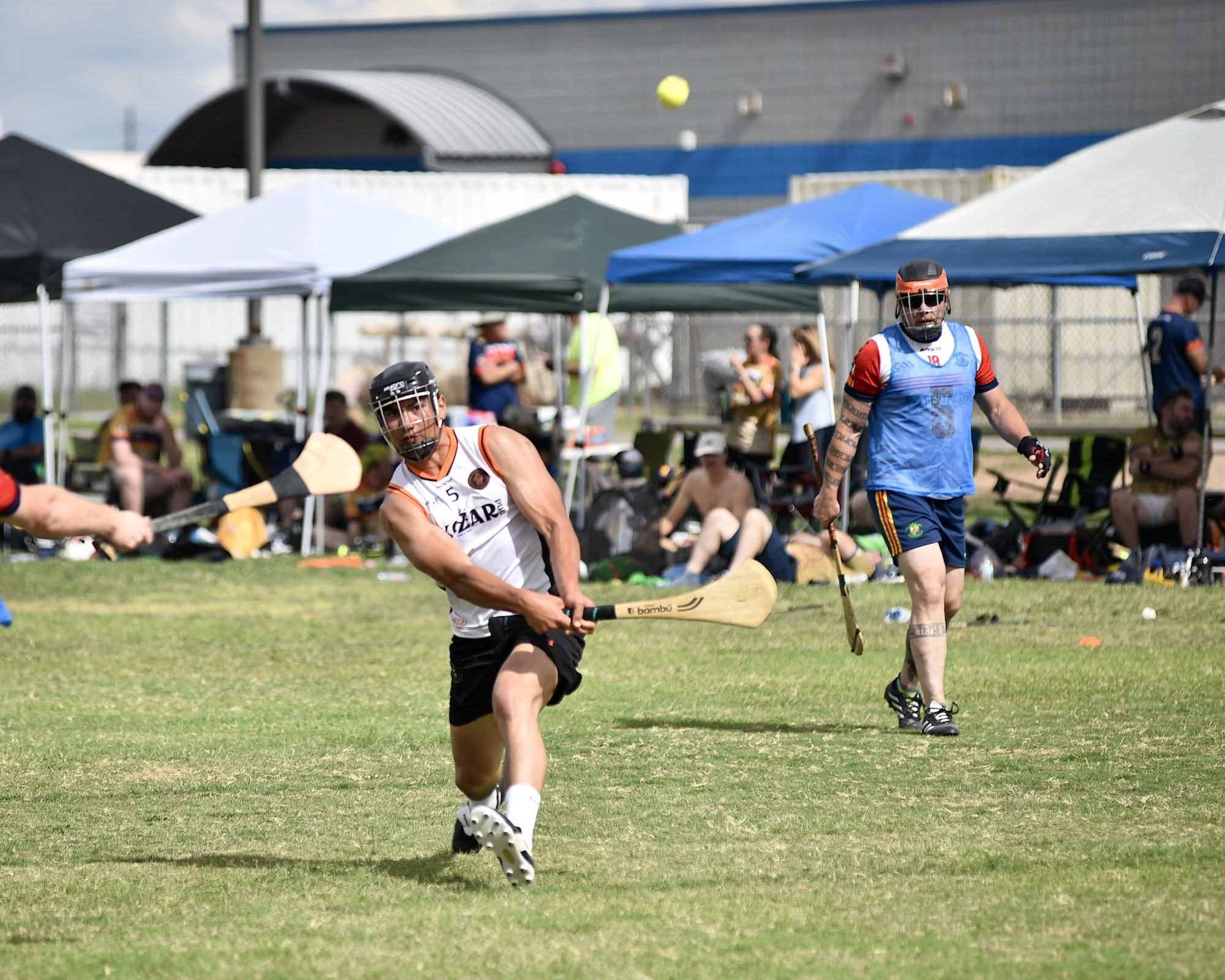
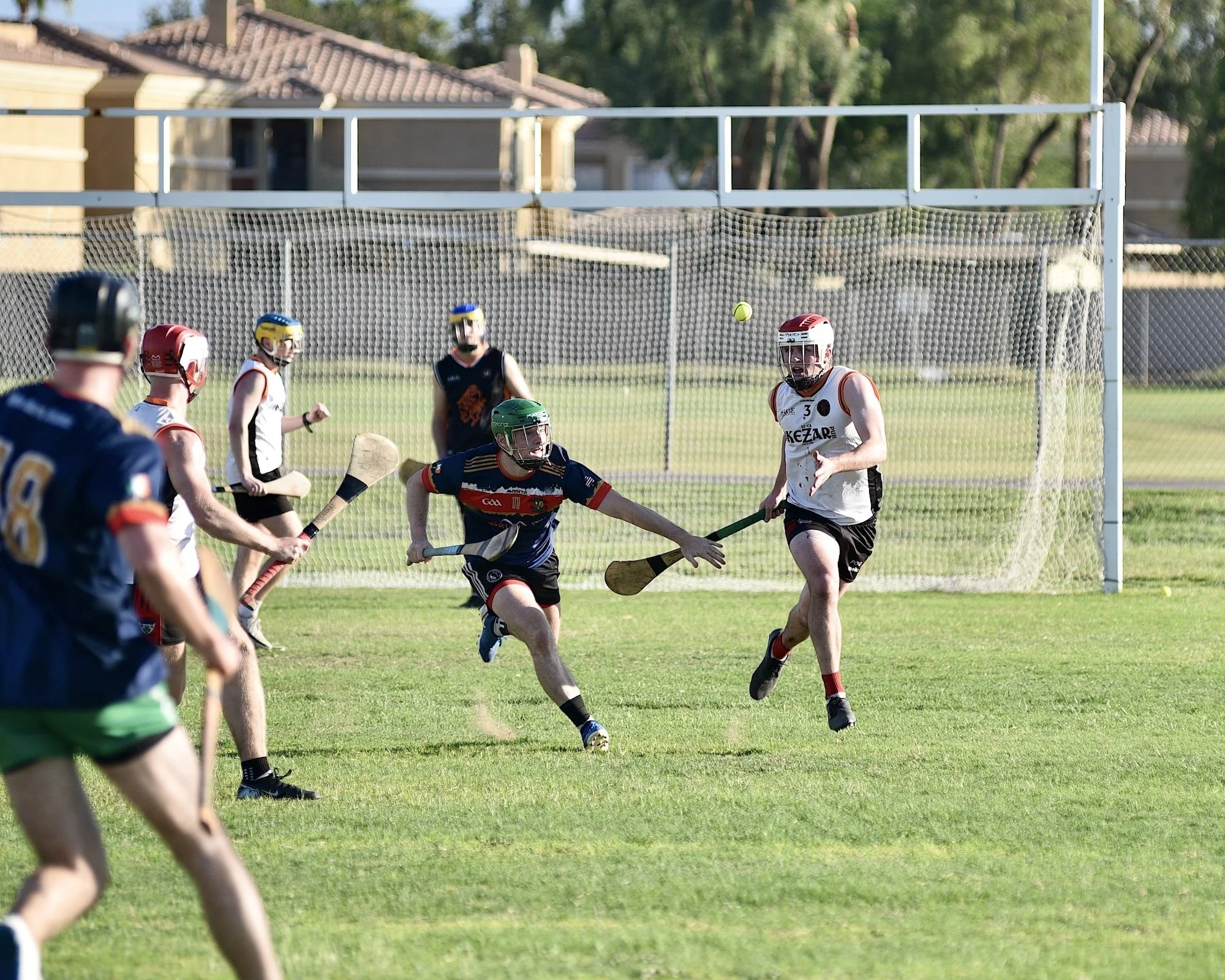
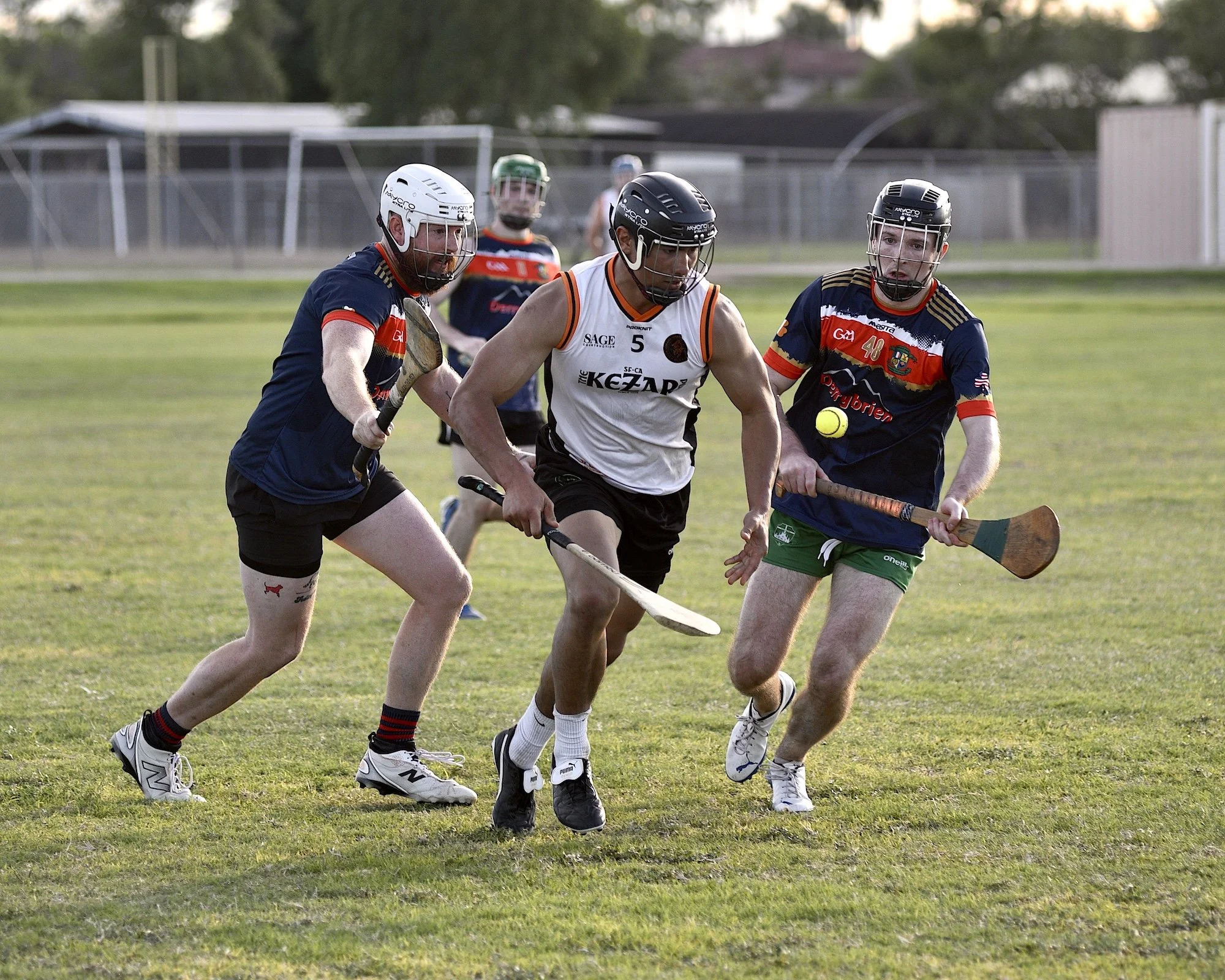
Then came the final against the hosts, Brian Boru, backed by a home crowd eager to keep the cup in Arizona. The match went into extra time. The Plunketts were dog-tired, facing a home team with more substitutes and the crowd behind them.
But they never lost hope. They kept fighting, answered Brian Boru’s scores, and found the resolve to win.
As the sun set over the western mountains, the Ray Sullivan Cup belonged to San Francisco once again.
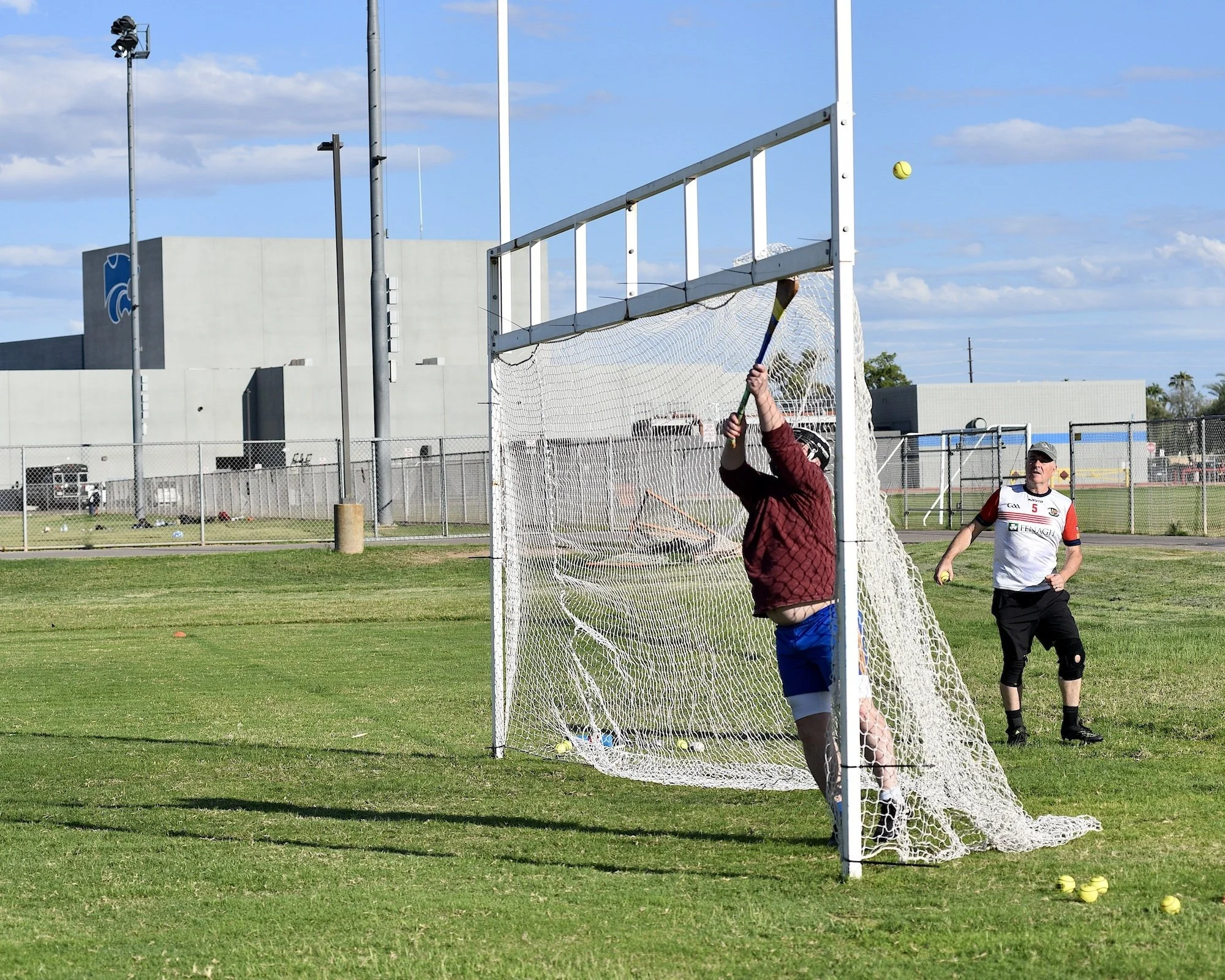
Photograph by William Wayland.
The Best of the GAA
For Dara Keane, founder and chairperson of the Joseph Mary Plunketts, the experience was about more than winning.
“Competing and getting through adversity with the team were my favorite parts of the tournament,” he said. “It was great seeing guys step up in the moment and make plays.”
Sean McElligott, a Plunketts member since shortly after the club’s inception, sees something bigger than a hurling team.
“Plunketts isn’t just a team, it’s a movement to fight for what you want and bring others along with you,” he said. “This third Cactus Cup taught us a lot about ourselves. Plunketts are resilient, we see our mission through. We don’t turn on each other, we trust ourselves to get the job done and enjoy doing so.”
Forrest Page offered a glimpse into what it took to prepare for battle in the Arizona desert. After a night in Phoenix, the preparations were simple: “One banana, a swig of Pepsi… the Plunks prepare for battle.”
The Plunketts had no coach and just three substitutes. What carried them through the day was a shared commitment to one another.
“We ride together no complaints no disrespect and no heads down,” Forrest said. “This is the unspoken culture that we abide by. It’s what takes us beyond our skills and experience.”
For the Plunketts, resilience isn't just about pushing through physical exhaustion. It's about trusting your teammates, refusing to turn on one another, and believing the team will find a way to win.
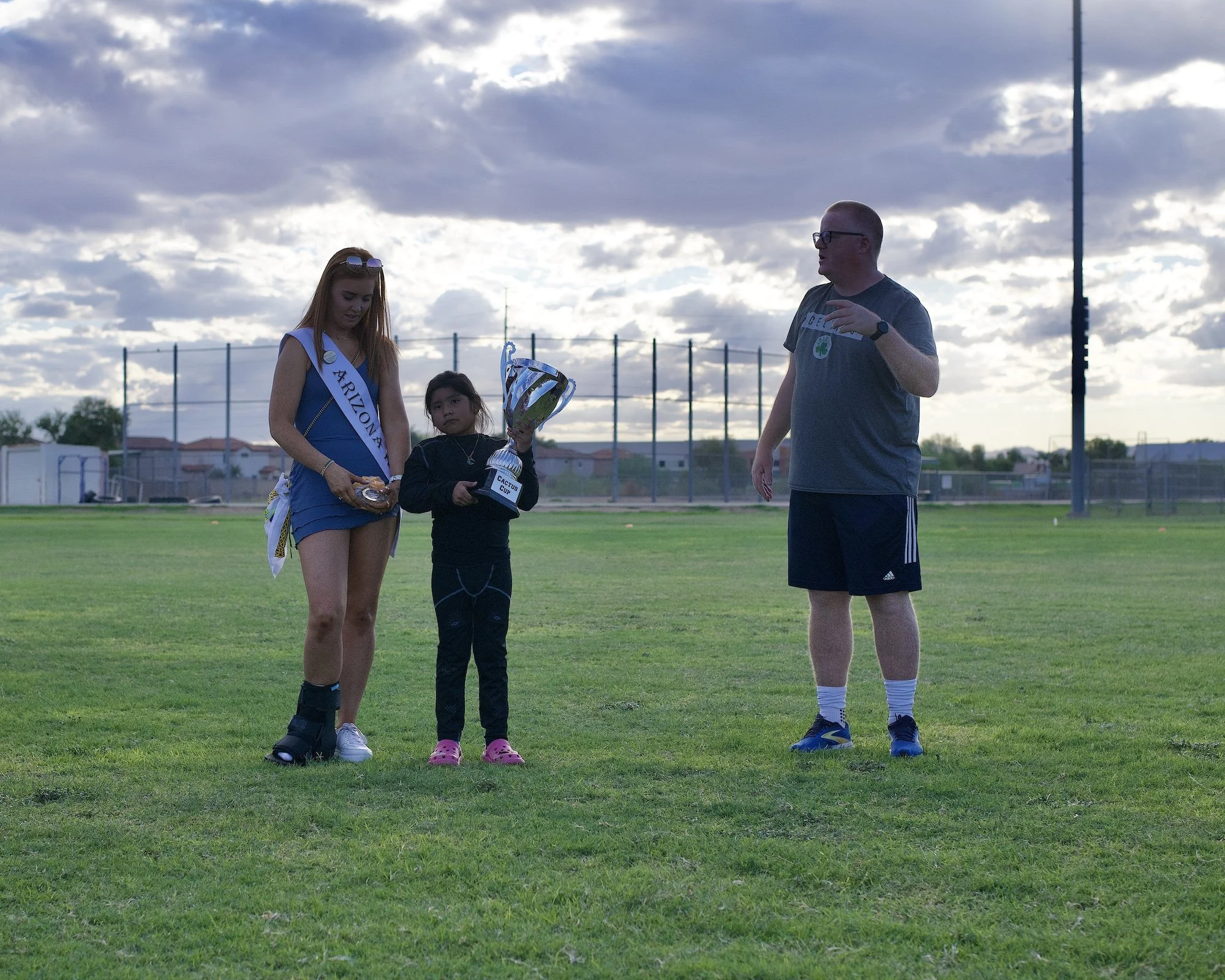
Jason Ryan, chairperson of Brian Boru, sees the Cactus Cup as an important part of growing Gaelic games in America. He noted that 85% of tournament players were American-born and approximately 30% were playing their first GAA game.
“The final was an epic match that epitomizes the high level new clubs are reaching,” Ryan said.
The Plunketts represent the best of the GAA not simply because they won three consecutive titles, but because of how they earned them. They faced adversity together, trusted one another, and kept fighting when exhaustion gave them every reason to quit.
Photograph by William Wayland.
Three years ago, they arrived in Phoenix wearing white T-shirts marked with Sharpie. Today, they leave as three-time champions. The jerseys may have changed, but the spirit that carried them to their first victory remains.
And that is worth more than silverware.


Photography by William Wayland.
