What it Means to Win in the GAA
Explaining the GAA to an American Sports Fan

One of the hardest things to explain to an American about the GAA isn’t the rules, the scoring, or even the speed of the games. It’s this: everyone is an amateur. There are no contracts, no trades, no drafts, no free agency. No endorsements waiting on the other side of a championship.
And yet, winning a GAA cup means everything.
For Americans raised on professional sports franchises, owners, salary caps, and relocation threats, it can feel impossible to grasp. Why would someone train like a professional athlete, sacrifice like a professional athlete, risk injury like a professional athlete . . . but not be a professional athlete?
The answer is simple, and also impossibly complex: pride.
Not a Team. A Place.
In American sports, teams are brands. They belong to cities, but they don’t come from them. Players arrive, leave, get traded, or follow the money. Loyalty exists, but it’s abstract.

In the GAA, you play for where you’re from. Full stop.
“There’s no draft, almost no transfers unless you relocate your entire life, and no pay,” explains Seán O’Donnell, a lifelong club man. “You can only ever play for where you’re from.”
That single rule changes everything. Your county team isn’t assembled, it emerges. It’s built over decades in muddy fields, parish pitches, schoolyards, and volunteer-run clubs. The lad starting at midfield is someone you went to school with. The corner forward works down the road. You’ve seen them in the shops. You know their parents.
So when they win, it doesn’t feel like they won.
It feels like you all did.
“I Had a Part in That”
One of the most striking differences between GAA and professional sports is how many people feel ownership over a win.
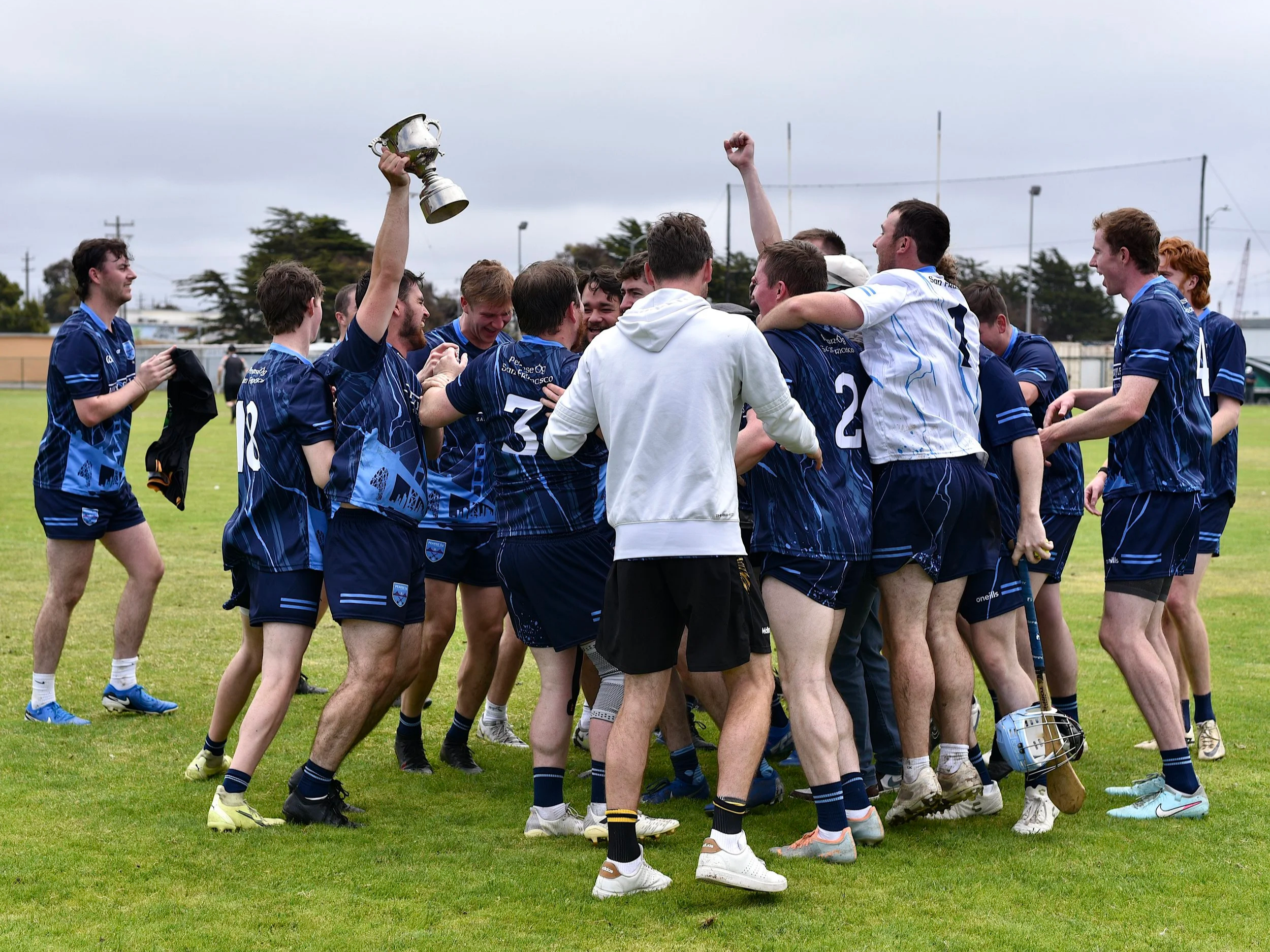
“For a lot of people it’s being able to say, ‘I had a part in that,’” says Máire Ní Bhraonáin, a longtime GAA club volunteer.
“Maybe they drove a kid to training when he was fourteen.
Maybe they kept him involved when he was drifting away.
Maybe they sold club lotto tickets to keep jerseys on his back.”
Multiply that by every club in a county, and suddenly a championship isn’t the achievement of 26 players, it’s the result of thousands of small, unpaid acts of belief.
You don’t get that in professional sports.
When a County Wins, Everyone Wins
When a county wins a major title, the effects ripple outward immediately.
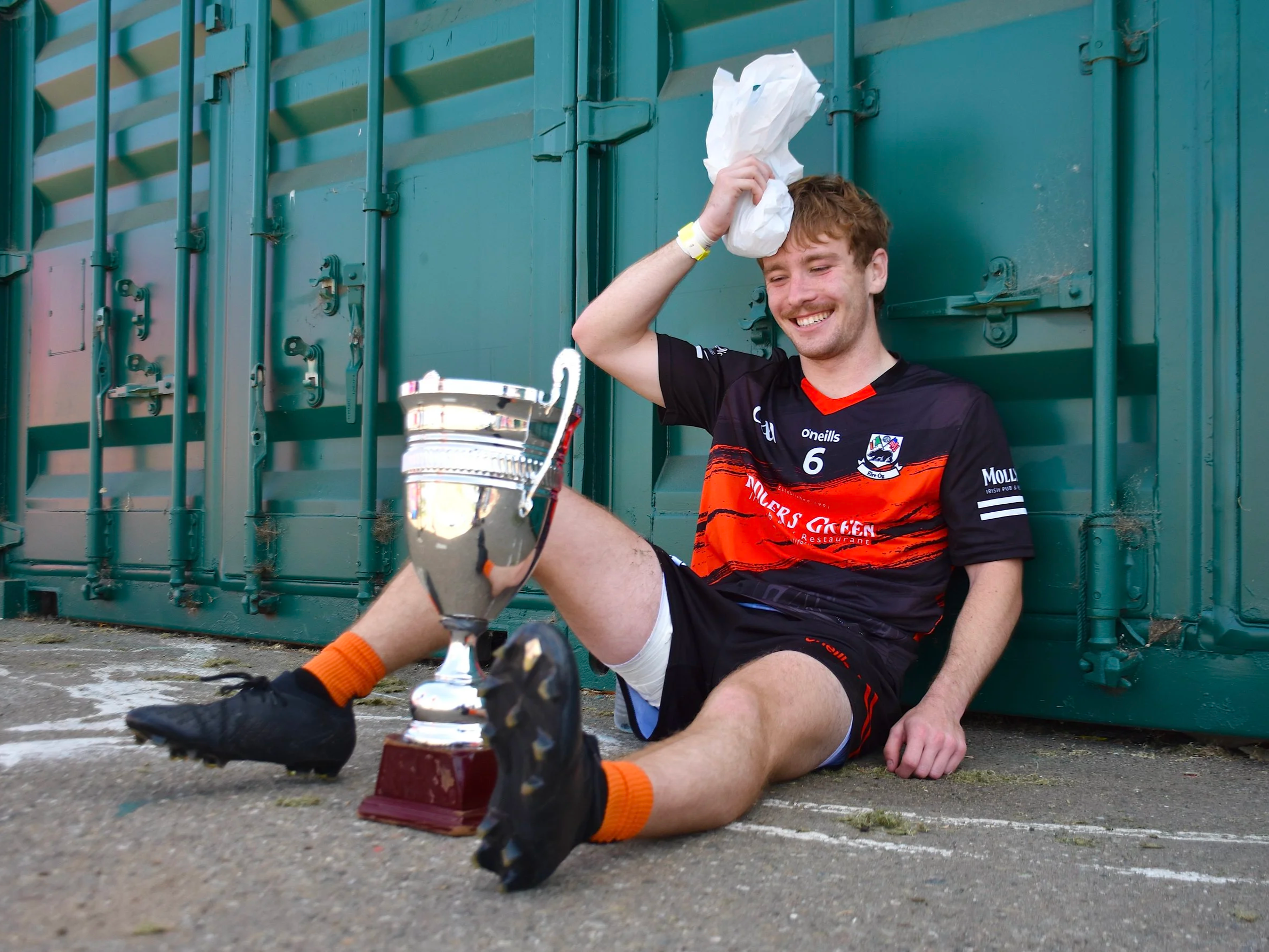
“Everything changes,” says Patrick McKenna. “It puts the whole county in a great mood. Kids are all out playing. There’s a general sense of elation and happiness.”
Another put it more viscerally:
“When we finally beat Dublin after fifteen years of pain,” recalls Colm Gallagher, “it felt like someone put springs in my shoes for weeks.”
That joy isn’t fleeting. It lingers. It reshapes daily life. People walk a little taller. Strangers smile at each other. Kids reenact moments from the match in the street, not pretending to be global superstars, but pretending to be their lads.
In places that have known hardship, the impact can be even deeper.
“When we won in ’91 and ’94,” remembers Eileen McArdle, “despite it being an awful time to be living in Northern Ireland, it brought great hope and happiness to the community.”
It’s not escapism. It’s affirmation.
History You Can Touch
GAA sports aren’t just old, they’re ancient. Hurling predates most modern nations. These games appear in Irish myths and oral histories. They survived being outlawed, punished, and suppressed. People played them anyway.
As one contributor put it:
“Our sports were banned and made illegal for over a century,” says Declan Ó Súilleabháin, a former intercounty player, “and still we played as an act of defiance. They’re woven into who we are as a people.”
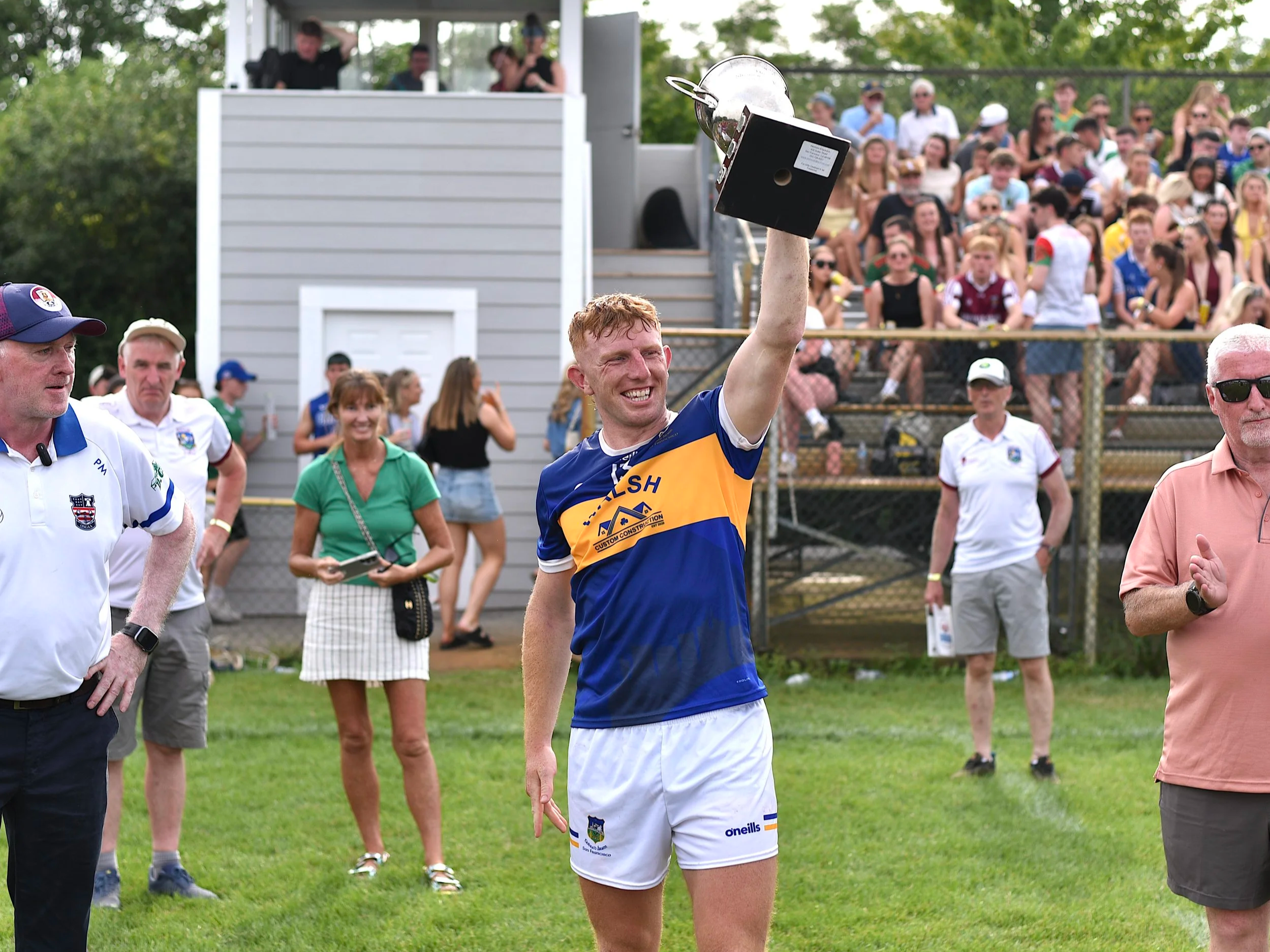
So when a player lifts a cup, they’re not just celebrating a season. They’re putting themselves into a timeline that stretches back hundreds, possibly thousands of years.
“To win and take home the Liam McCarthy Cup,” says Tomás Fitzgerald, “is the stuff of legend.”
That’s not a metaphor. That’s how it feels.
Why Losing Hurts So Much
To understand what winning feels like, you also have to understand the pain of not winning.
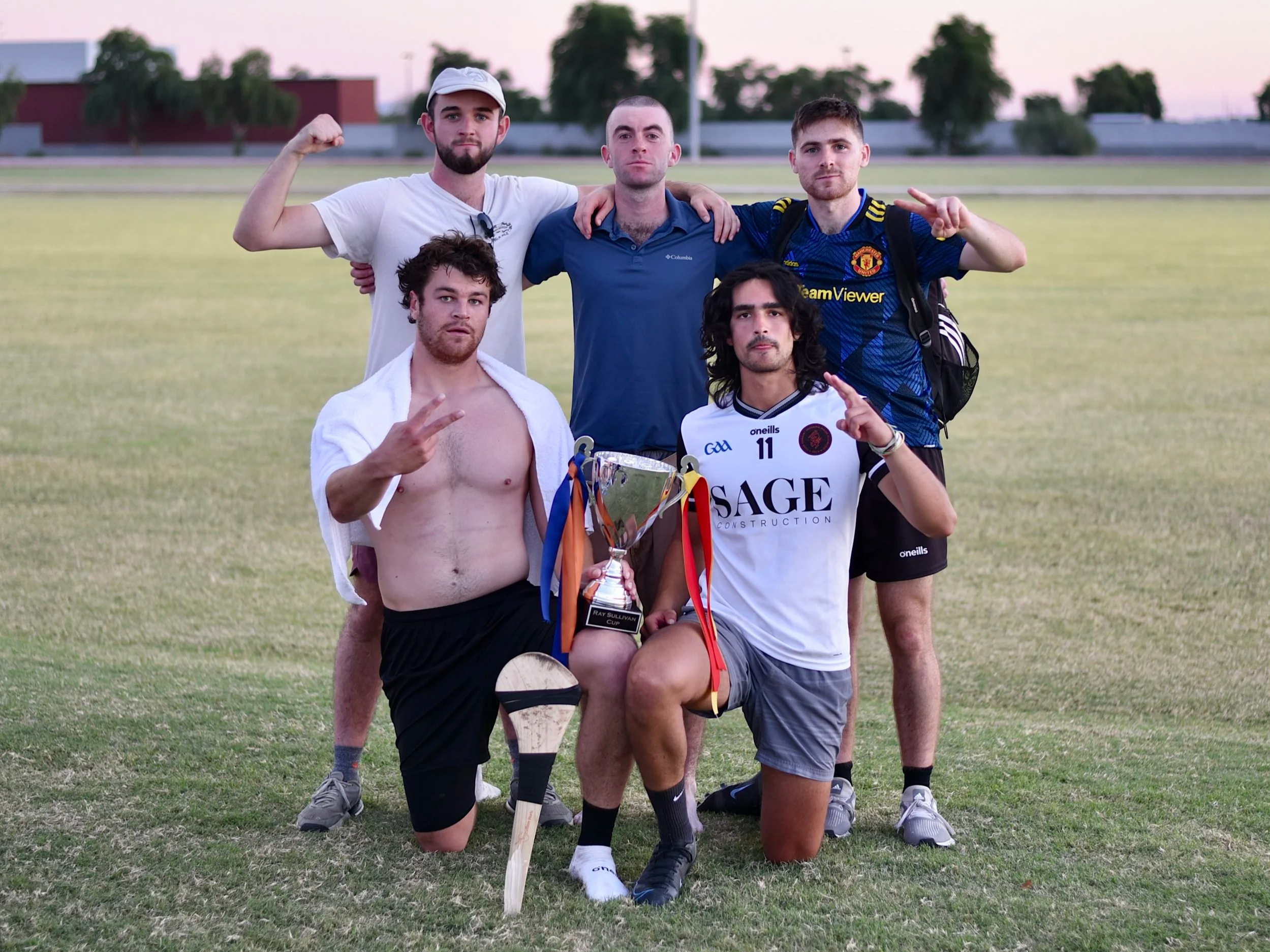
“All Irelands are incredibly hard to win,” says Niall Byrne. “I don’t think people understand the hurt of not having one.”
This isn’t entitlement. It’s the weight of generations. When a county goes decades without a title, that absence becomes part of its identity. Hope renews every year. Disappointment follows. And still, people come back.
Because when it finally happens, if it finally happens, it’s not just a victory.
It’s release.
So . . . Why Do They Do It?
From the outside, it’s tempting to romanticize GAA athletes as uniquely noble or selfless. The truth is more grounded.
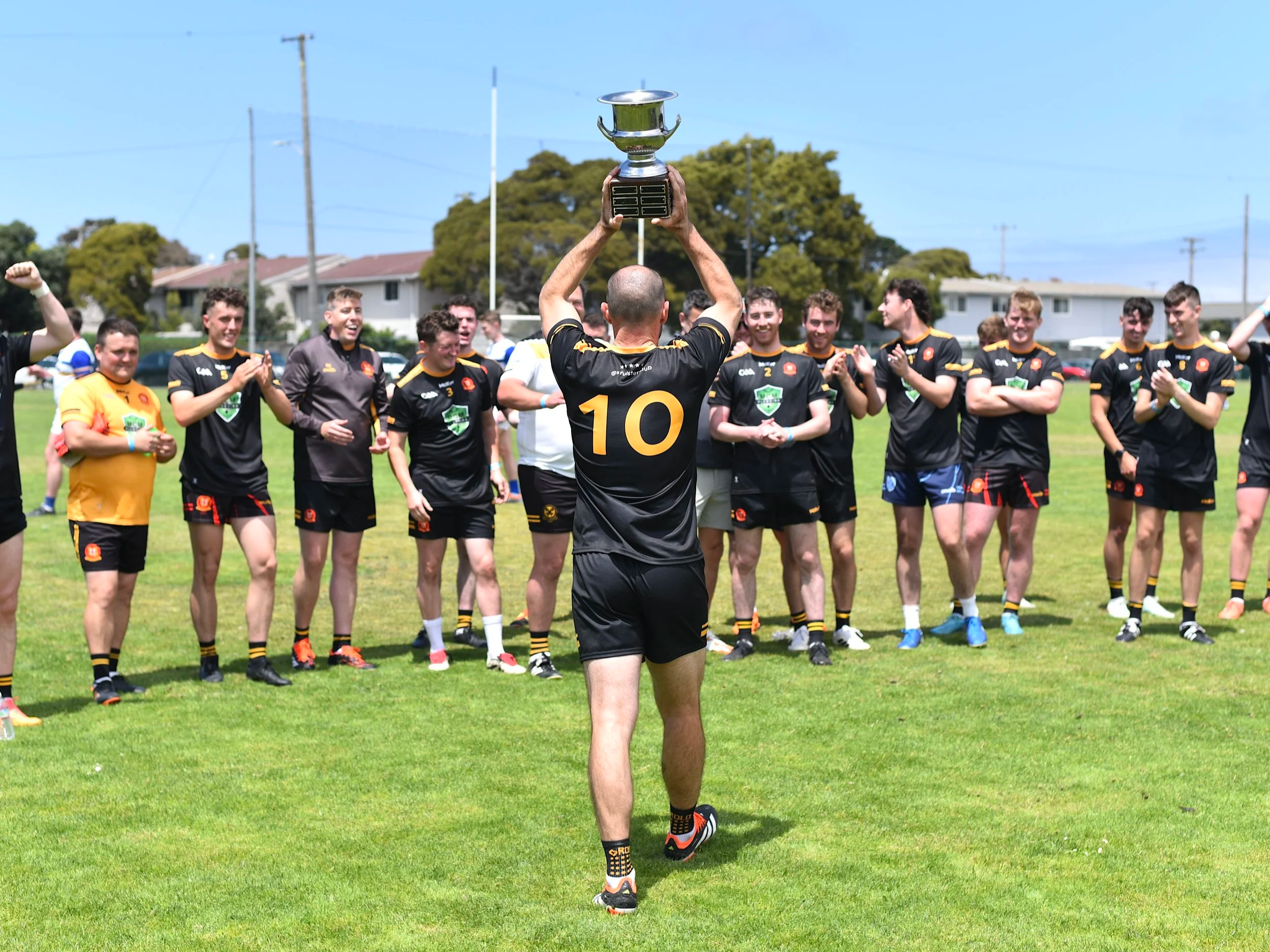
“For the players,” says Conor Walsh, “it’s the same as any other sport. You want to test yourself against the best.”
The difference is who you’re testing yourself for.
You’re not playing for a paycheck. You’re playing for your parish. Your family name. Your club. Your county. Your history.
Or, as Aoife Kearney puts it more bluntly:
“It’s not for financial reasons. It’s pride.”
What Americans Should Know
If you’re an American trying to understand the GAA, here’s the closest translation:

Imagine if every NFL team were made up entirely of players born and raised within 50 miles of the stadium.
Imagine if no one was paid.
Imagine if the team had existed for centuries, survived being outlawed, and represented something closer to identity than entertainment.
Imagine if winning meant your entire community felt taller for a year.
That’s why it matters.
That’s why people train in the dark after work.
That’s why volunteers give millions of unpaid hours.
That’s why winning a cup can feel like immortality.
Because in the GAA, you’re not playing for a brand.
You’re playing for home.